
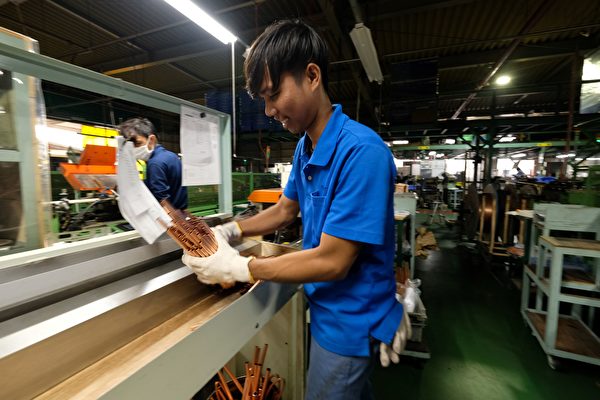
The aging population in Japan is increasingly becoming a serious issue, with a declining number of newborns. From farm workers to convenience store employees, foreign workers have become an essential force in maintaining Japan’s economy. However, the influx of more foreign workers has sparked attention and debate in Japanese society. Additionally, the increasing use of illegal foreign workers by employers has raised concerns among the public and the government.
According to a report by Nikkei News, the Ibaraki Prefecture government launched a reward program in May this year to combat the growing number of illegal foreign laborers in its jurisdiction. Those who provide information to the police to help arrest employers who illegally hire foreign workers can receive a reward of 10,000 Japanese yen (approximately 62 US dollars).
Located in the northeast of Tokyo, Ibaraki Prefecture is an important agricultural production area in Japan, ranking third in agricultural output and heavily relying on foreign workers from countries such as Vietnam and Indonesia. Japanese law stipulates that companies employing illegal foreign workers may face criminal charges.
Statistics from the Japan Immigration Services Agency (ISA) show that last year, Ibaraki Prefecture had a total of 3,518 registered illegal foreign workers, the highest among the 47 prefectures in Japan, accounting for a quarter of the national total. While the number of immigrants nationwide has decreased by 71% compared to its peak in 2005, the immigrant population in Ibaraki Prefecture has increased by 75%.
The largest group of foreign workers in Ibaraki Prefecture comes from Vietnam, followed by Indonesia, China, and the Philippines. For local farmers, the cost of recruiting foreign labor (including travel and accommodation expenses) is not low. However, local farmers have expressed that the agricultural sector in the region has long been facing a shortage of labor, as Japanese youth are unwilling to engage in farm work. Therefore, they have no choice but to rely on foreign workers to complete the fields’ harvesting work.
Many foreign workers have stated that working in Japan earns them two to three times more income than in Indonesia. They work in Japan to improve their future lives when they return to their home country.
The reporting against employers in Ibaraki Prefecture is the first of its kind in Japan, and similar projects offering rewards for reporting are rare globally. The Ibaraki Prefecture government has stated that strengthening the fight against illegal foreign labor is not about discriminating against foreign workers, but rather targeting the employers’ violations, not the foreign workers themselves.
However, some are concerned that the reporting program may exacerbate discrimination and prejudice against foreigners. Before implementing this system, Ibaraki Prefecture received an unusually high number of 617 public opinions. The Ibaraki Bar Association has warned that the program could foster unfair suspicions against foreign workers, deepening social divisions.
Officials from the Ibaraki Prefecture government have stated that this measure will actually improve the situation for legal foreign workers in the prefecture. A society with zero tolerance for illegal employment will enable foreign workers to work happily.
Officials from the Immigration Services Agency stated that over 70% of illegal foreign workers are concentrated in the Greater Tokyo area, and about 70% of foreign illegal workers in Ibaraki Prefecture are engaged in agriculture. Many small-scale farmers do not have sufficient finances to hire workers throughout the year, and informal labor sharing among farms still exists in some areas.
Recent data shows that Japan is facing a severe labor shortage. By the end of 2025, the number of foreign residents in Japan is expected to exceed 4 million for the first time. The surge in applications for residency permits has raised concerns for both Japanese society and the government, prompting the government to strengthen monitoring of residency status and immigration compliance.
Since Prime Minister Mana Takai took office in October last year, the foreigner policy has been one of the government’s top priorities. Starting from October this year, the fees for extending or changing residency permits for foreigners are increased. In addition, in October last year, the government tightened the conditions for applying for business manager visas to combat the misuse of visas by private accommodation and other industries.
Experts believe that law enforcement alone cannot solve the problem of illegal employment. Jiho Yoshimizu, a representative director of the Japan-Vietnam Friendship Association, states that many foreign workers who end up working illegally did not come to Japan with the intention of doing so. Many faced issues like workplace disputes, layoffs, debts, and isolation, ultimately leading them to disappear or be forced into illegal work.
Experts suggest that the government not only bring in foreign workers but also provide support for immigrant integration, such as helping immigrants learn Japanese, understand Japanese social norms and daily life rules, and providing information on family support and childcare services to help foreign nationals establish a long-term life in Japan and maintain legal employment.