
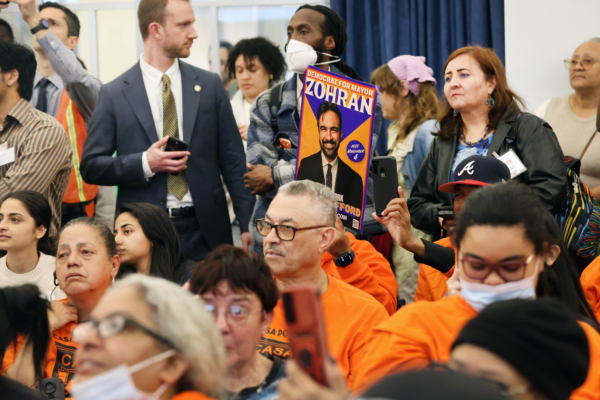
On June 25, the Rent Guidelines Board (RGB) of New York City held its final voting meeting in Harlem, Manhattan. The board approved the rent adjustment plan for rent-stabilized apartments for the 2026-2027 fiscal year with a vote of 7 in favor and 1 against. The decision set the rent increase for one-year and two-year lease renewals at 0%, fulfilling Mayor Mamdani’s “rent freeze” promise during his campaign and marking the first time zero rent increase has been implemented for two-year leases in New York City.
While tenants cheered the decision, landlords complained that the rent freeze was “political interference” and would be detrimental to property maintenance and tenant safety.
According to the board’s resolution, both one-year and two-year lease renewals will see a 0% increase in rent, affecting approximately 1 million rent-stabilized apartments and 2.4 million New York residents. Previously, the board had proposed a preliminary range of 0% to 2% for one-year leases and 0% to 4% for two-year leases but ultimately adopted the comprehensive rent freeze plan following multiple rounds of public hearings and feedback collection.
Mayor Mamdani had appointed 6 out of the 9 members of the RGB committee. On the morning of the voting day, Christina Smyth, a committee member representing landlord interests, abruptly resigned. In her resignation letter, she stated that she believed the committee was no longer making data-driven decisions but rather serving “established political objectives,” prompting her departure.
With 8 members participating in the vote, the rent freeze plan was passed with 7 supporting votes and 1 opposing vote. Mayor Mamdani later issued an official statement calling it a “historic victory for New York City tenants,” emphasizing that the decision was made after reviewing operating costs, tenants’ ability to pay, and living expenses data, as well as listening to public opinions citywide, and was a relief measure deserved by working families in New York.
Mayor Mamdani also mentioned that the city government would continue to improve housing affordability by constructing and maintaining affordable housing, reducing building insurance costs, and protecting tenant rights in the future.
The announcement of the voting results immediately sparked cheers from tenants in the venue. Tenant groups believe that even a small rent increase in the current situation of rising prices would make it difficult for many families to afford.
Landlords and real estate industry representatives, on the other hand, expressed disappointment. Landlord organizations expressed concerns that continuous increases in insurance, labor, maintenance, and taxes, coupled with a rent freeze, would weaken landlords’ ability to maintain and improve buildings, potentially leading to financial difficulties for some small-scale landlords and further impacting housing supply.
“The vote tonight may be politically popular, but it will worsen New York’s housing crisis,” said James Whelan, President of the Real Estate Board of New York (REBNY), in a statement.