
Japan’s Chief Cabinet Secretary, Minoru Kihara, confirmed during a press conference on the morning of June 24 that two Japanese nationals were detained in China in May this year. According to Kihara, the two individuals were detained by the Chinese customs authorities on May 18 and May 25 respectively, on suspicion of violating the “smuggling of goods prohibited for import or export” offense. He mentioned that their health conditions are currently normal and that the Japanese government will continue to stay in contact with the individuals and relevant parties to properly address the situation from the perspective of protecting the rights of Japanese citizens.
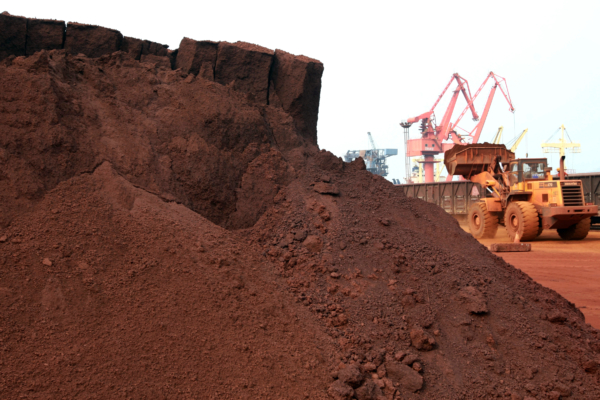
Sources from the Japanese newspaper “Asahi Shimbun” revealed that a Japanese male employee working for a large Japanese electronic company was detained by the Chinese authorities in late May. It is believed that one of the detained Japanese individuals is this male employee. Informants disclosed that the man was suspected of attempting to export processed rare earth products to countries outside China, leading to his detention. Rare earth minerals are strategically important resources subject to export controls by China targeting Japan.
The deterioration of Japan-China relations further escalated following Japanese Prime Minister Sanae Takichi’s remarks on “Taiwan-related issues” in parliament in November 2025. Subsequently, China implemented retaliatory measures. In January 2026, China’s Ministry of Commerce strengthened restrictions on the export of dual-use military-civilian products to Japan, followed by further tightening of related measures in late February.
As of last July, 17 Japanese individuals had been detained by the Chinese authorities, with 5 individuals currently remaining in detention, mostly charged with violations of the “espionage law.” The Japanese government has been continuously urging for the prompt release of the detained individuals. In July last year, a Beijing court sentenced a male executive in his 60s from Japanese pharmaceutical company Astellas Pharma to three and a half years in prison on charges of engaging in espionage activities.
According to Japanese media reports, the two most recent arrests are not related to the “anti-espionage law.”
Regarding China’s restrictions on rare earth exports, Prime Minister Sanae Takichi criticized China explicitly during a press conference on June 18, suggesting that China’s export restrictions may impact the supply chains of the G7 and like-minded nations. She emphasized the necessity for countries to coordinate and collectively address China’s economic coercion. The G7 summit’s statement expressed “serious concern” and condemnation regarding arbitrary export controls and countermeasures concerning critical minerals.