
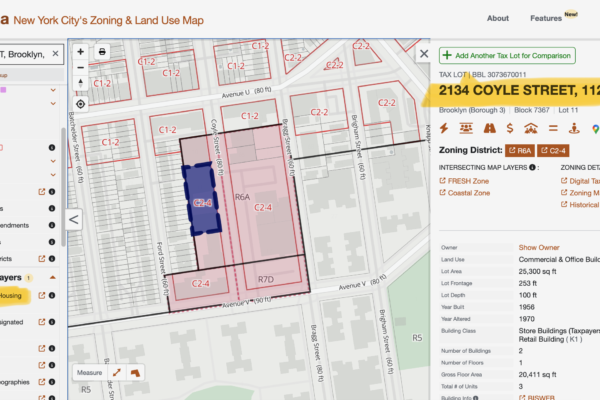
Last Wednesday (17th), despite the partial stop-work order issued by the New York City Department of Buildings (DOB), the controversy surrounding the Yangtou Bay homeless shelter development project did not come to a halt. According to 311 complaint records, residents continue to demand a direct response from the DOB regarding whether the project violates the Mandatory Inclusionary Housing (MIH) regulations and the legality of related construction permits.
In fact, MIH was one of the core controversies of this development project from the beginning. Residents have long questioned the project’s initial push for affordable housing, which later turned into a homeless shelter, leading to what is known as a “bait and switch.” Therefore, the community continues to inquire if the land belongs to the MIH area, whether the actual use of the project still complies with the originally approved planning conditions, and if the developer has fulfilled the affordable housing obligations required by MIH.
Mandatory Inclusionary Housing (MIH) is a policy implemented by New York City in 2016. Residential development projects on specific rezoned land must provide a certain percentage of permanent affordable housing. To ensure compliance with these regulations, since August 1, 2018, the DOB has required, for new construction (NB) or major alterations (Alt-1) projects within the MIH area, the submission of a Permit Notice issued by the HPD before obtaining a construction permit; and before final approval, a Completion Notice issued by the HPD must also be submitted.
Furthermore, in May 2021, the DOB further integrated these requirements into the DOB NOW: Build electronic filing system. According to current regulations, if a property information page is labeled as “MIH,” the applicant must submit HPD Permit Notice and Completion Notice; if the property is believed not to fall within the MIH applicable scope, an exemption application must be submitted separately.
The latest round of complaints from Yangtou Bay residents has shifted focus to the MIH regulations themselves. In the complaint submitted on June 19, residents demanded clear clarification from the DOB on the actual use of the community facilities after completion. If the building is to be used as affordable housing in line with MIH requirements, it should be consistent with the original approved plan; however, if it eventually serves as a homeless shelter or transitional housing, it may not align with the approved plan and MIH requirements.
Residents also questioned whether the DOB has obtained the Permit Notice issued by the New York City Housing Preservation and Development (HPD) since the DOB system has labeled the site as an “MIH Area.” According to the regulations implemented by the DOB since 2018, new construction projects within the MIH area “must” obtain the HPD Permit Notice before issuing the construction permit and submit the HPD Completion Notice before completion.
Residents believe that if the relevant documents indeed do not exist and the DOB issues the construction permit, it may involve not completing the statutory review process in accordance with the MIH regulations, and the legality of the related permits will also become a contentious issue.
With appeals filed by residents scheduled for a public hearing at the New York City Board of Standards and Appeals (BSA) on August 10, the applicability of MIH, the completeness of HPD documents, and whether the project’s final use aligns with the approved plan are expected to be crucial points of contention during the hearing.