
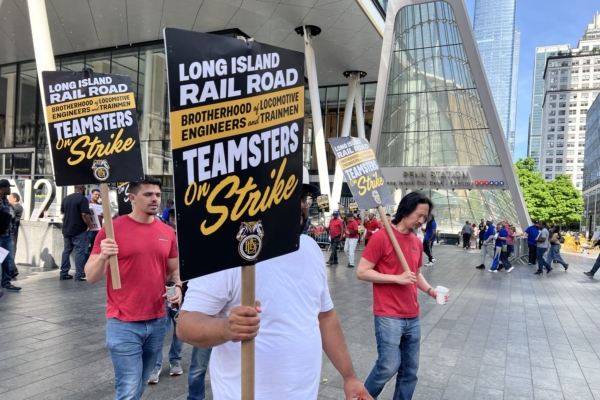
Long Island Rail Road (LIRR) strike has entered its third day in New York City. New York State Comptroller Thomas DiNapoli expressed concern that the strike could result in a daily economic loss of approximately $61 million in the New York metropolitan area, causing a ripple effect on commuting, tourism, and retail consumption. With the summer travel season approaching and Memorial Day holiday looming, the tourism economy of Long Island faces even greater pressure.
The strike, initiated by a coalition of several railroad unions, is due to a deadlock in negotiations with the Metropolitan Transportation Authority (MTA). Train services came to a complete halt early last Saturday (May 16th), affecting around 275,000 commuters. While labor and management resumed negotiations on Monday, as of the time of this report, there have been no conclusive outcomes.
DiNapoli pointed out that the impact of the strike is not limited to Long Island residents commuting to Manhattan, but will also affect businesses and service industries that rely on customer traffic. He mentioned that if a large number of commuters cannot enter the city, activities such as dining and shopping will simultaneously decrease. Furthermore, if tourists are unable to smoothly travel to Broadway for shows, it could further drag down the tourism industry.
DiNapoli stated that the public is already facing pressures such as rising prices, increasing oil prices, and tariffs, and the railroad strike will place an even greater burden on the regional economy.
According to the Regional Plan Association, in 2024, over 320,000 Long Island residents were employed by New York City businesses, with an average annual salary of approximately $131,000 and a total wages scale of $42.4 billion. However, not everyone relies on the Long Island Rail Road for commuting.
Data from the U.S. Census Bureau shows that about 10% of commuters in Long Island use public transportation to go to work, 75% choose to drive or carpool, and roughly 11% work from home. The average commute time in the area is about 34 minutes, but during the strike, the expected commute time is likely to significantly increase.
DiNapoli noted that in the short term, some individuals may adapt by working remotely, but if the strike continues, not all businesses or work arrangements can sustain long-term remote work.
Additionally, he warned that the Long Island tourism industry could face further impacts. With the upcoming Memorial Day holiday and the start of the summer travel season, popular tourist destinations like Jones Beach, the Hamptons, and others heavily rely on tourist spending.
He mentioned that if the strike persists, local tourism and retail activities will decline, further affecting sales tax revenue and overall consumption in Nassau and Suffolk counties, ultimately causing negative impacts on the economies of New York City and Long Island.