
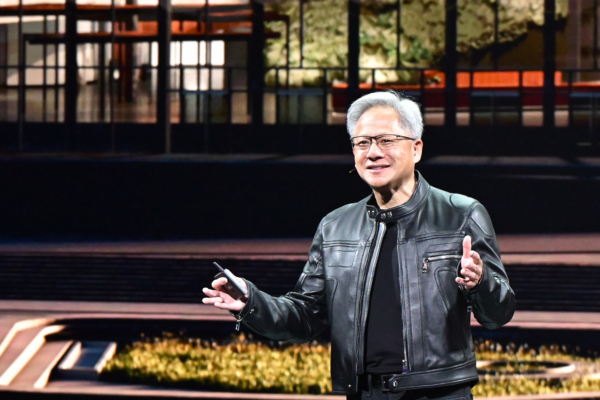
Nvidia CEO Jensen Huang, in a podcast episode titled “How I Built This” released on May 18th, reflected on his entrepreneurial journey of 33 years and gave an unexpected answer. He told host Guy Raz that if he had known the immense pressure and agony that founding Nvidia would entail, he wouldn’t have embarked on the entrepreneurial path.
Huang pointed out that in leading Nvidia to become a global company valued at $5.3 trillion and dominating the AI chip market, it wasn’t all success and glory. He endured years of pressure, humiliation, near-bankruptcy crises, and significant personal sacrifices along the way.
Many only see the final results of entrepreneurship, overlooking the costs incurred during the process. “If I had known back then what I know now – how difficult entrepreneurship is, and all the pain, torment, embarrassment, humiliation, and setbacks,” he asked himself if he would still venture into entrepreneurship again. The resounding answer was “absolutely not.”
The company was established in 1993 and went public in 1999.
Huang stated that when considering Nvidia’s achievements, its impact on industries and the world, and all the benefits that success has brought, his answer would naturally be affirmative. “If your question is, how is Nvidia doing now, what contributions have we made to the world, the company’s current influence, how it has impacted so many different industries, and whether I like all these results of success? The answer is yes,” Huang said, “but that’s not the issue at hand.”
In its early days, Nvidia faced multiple survival crises, including chip development failures, layoffs, and being on the verge of running out of funds within weeks. In 1996, Nvidia faced potential closure after failing to deliver Graphics Processing Units (GPUs) to Japanese gaming company Sega but later received a $5 million investment from Sega to sustain operations.
During the 2008 financial crisis, Nvidia faced market and investor scrutiny due to an approximately 85% drop in its stock price from the 2007 peak. In the mid-2010s, despite significant stock price fluctuations, Huang continued to invest in developing the CUDA platform, which later became a critical foundational tool for modern AI computing. However, this strategy was not well-received at the time.
“It was a very embarrassing moment, an extremely humiliating experience,” Huang said. “You become the only person everyone hates, your employees might even feel embarrassed for you.” He stated, “The company could be heading towards closure, and layoffs were necessary,” describing this as the harsh reality of a startup.
Huang shared that the only way he could persist was by training himself not to dwell on setbacks. “I spend all my time forgetting yesterday,” he said. “How do athletes train? They forget the last point and focus on the next one.”
Huang stated that Nvidia’s success lies in persisting with ideas initially dismissed by others, especially the belief that Graphics Processing Units (GPUs) would eventually break through gaming limitations and become the core technology driving the new era of computing.
“I believe many people forget that great achievements require enduring pain, hardship, and the necessary patience. That’s why people always look forward and choose to forget the past,” he said.
This article references reports from Business Insider and Entrepreneur magazine.