
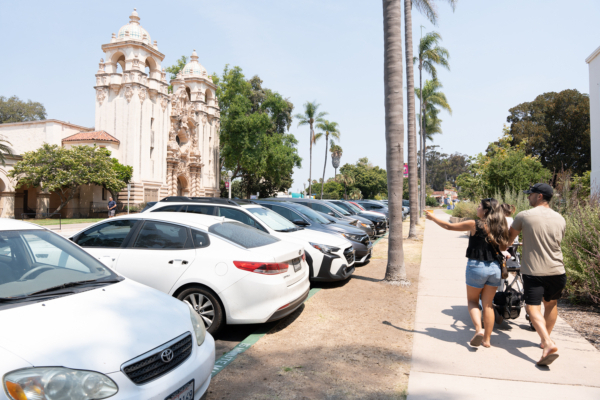
The San Diego City Council unanimously passed two decisions on June 8th: to eliminate parking fees at the famous Balboa Park starting in January next year, and to reduce garbage collection fees for residential properties starting in July next year.
At the end of this year, the parking fee program at Balboa Park will be terminated, and the previous free parking policy will be reinstated starting in January next year, applicable to both locals and visitors. Those who have purchased annual parking permits will receive a refund for the unused time. The garbage fee will be reduced starting from July 1st next year. For the standard 95-gallon trash bin, the monthly fee is expected to decrease from $55 to $38.75, with future adjustments based on the inflation rate.
These two decisions were the final voting results of the City Council reached as part of a settlement agreement with a private civil lawsuit from last month.
San Diego voters approved Proposition B (Measure B) in November 2022 with a slim majority of 50.4%, allowing the city government to charge garbage collection fees for single-family homes, ending the free garbage collection service for residential properties in San Diego that had been in place for the past 106 years.
When the specific regulations were drafted by the City Council in 2024 and implemented in June 2025, the garbage service fee, originally estimated to be between $23 and $29 per month as per Proposition B, increased to $43.6 per month.
Five San Diego homeowners filed a lawsuit in May 2025 against the San Diego city government and six council members who voted in favor of the fee plan.
The lawsuit argued that the fee regulation violated Proposition 218 passed by California voters in 1996, which stipulates that public utility fees should not exceed the actual cost of providing the service. The lawsuit claimed that the actual cost of garbage collection was estimated at $8.9 million, while the proposed garbage service fee by the City Council would generate $14.9 million, exceeding the actual cost of the service.
During the legal process, the plaintiffs requested a temporary injunction on the garbage fee, which the judge did not grant, allowing the city government to continue collecting the fee. At the same time, the judge also rejected the city government’s request to dismiss the lawsuit.
In May 2026, the case began hearing in the San Diego Superior Court but quickly reached a settlement.
In addition to the garbage service fee, the City of San Diego introduced a series of regulations to generate additional revenue, such as increased parking fees and fines for parking violations. The regulation to charge parking fees at the popular Balboa Park marked the end of over a century of free parking at the park.
San Diego’s fiscal year 2026 budget, passed in June 2025 (from July 2025 to June 2026), had already included the income from parking fees at Balboa Park, even though the fee plan had not been finalized at that time.
Mayor Todd Gloria estimated in the budget that the parking fee plan at the park would bring in $11 million in revenue for the fiscal year 2026, with expenses for implementing the plan amounting to $1.4 million.
Originally, the parking plan required San Diego residents and non-residents to pay the same fees. However, the plan faced strong opposition. The revised plan later provided up to a 50% discount for residents. For daily parking, non-residents (including other cities in San Diego County) pay $10-16 per day at different parking lots, while residents pay $5-8 per day. For an annual parking permit, non-residents pay $300 per year, while residents only pay $150. Quarterly, monthly, and daily parking permits were also halved in fees.
The parking fee plan was initially scheduled to be implemented in October 2025, but due to public and group opposition from museums and other organizations inside the park, as well as the city’s failure to install parking signs and meters in a timely manner, the implementation was postponed until January 5, 2026, after the New Year.
However, a month later, in February this year, the city government withdrew part of the fee plan under pressure, allowing residents of the city to park for free in seven of the twelve parking lots in the park, while non-residents still had to pay for parking.
The parking fee plan faced opposition not only from the public but also from several museums and businesses inside Balboa Park. Museums reported a significant decrease in visitors after the implementation of fees.
Some groups are now considering submitting a proposal for a referendum to repeal the parking fee plan at Balboa Park, to be voted on in November this year.
The City Council stated that reaching a settlement with the defendants in the garbage fee lawsuit was to prevent further expenditure in legal proceedings and potential referendum cases. As one of the conditions for the settlement, homeowners withdrew the lawsuit, and relevant groups agreed to cease efforts to initiate a referendum against the Balboa Park parking fee plan.
Officials, however, noted that losing this source of revenue would necessitate adjustments to the budget in San Diego, requiring reductions in other service expenditures. The City Council is currently discussing the budget proposed by the Mayor for the fiscal year 2027, which must be passed by the end of June.
City News reported Councilman Raul Campillo as saying, “As the only council member who voted against both the garbage fee and the Balboa Park parking fee, I am pleased that the City Council has agreed to this settlement.”
He remarked, “Today, we are lowering the cost of living for San Diegans and rebuilding trust between citizens and the city government… and small businesses and museums within Balboa Park will also see a return of customers.”
Mayor Todd Gloria stated in a declaration on May 20th, “This settlement compromises on several existing issues but will result in at least $150 million in budget cuts.”
As of mid-April, more than 3,000 San Diego residents have completed the address verification required for the free parking program, with a $5 fee per household (multiple cars). The government has collected nearly $700,000 through this process.
In April, the Balboa Park Cultural Partnership indicated that since the implementation of paid parking, the average attendance at park museums had declined by 34%, with some institutions experiencing a decrease of up to 60%.
Executive Director of the partnership Peter Comiskey expressed that the decision to withdraw the parking fees as part of the settlement brought a glimmer of hope, stating, “It is because residents spoke out demanding accountability that the city government was willing to come to the negotiating table. This agreement will save taxpayers over $100 million within two years, while restoring trust and transparency. Equally important, families should not have to pay to enjoy San Diego’s most precious park.”