
Facing energy concerns triggered by the situation in the Middle East, European Commissioner for Transport, Apostolos Tzitzikostas, has stated that despite fluctuations in energy prices, Europe is not currently facing a shortage of aviation fuel. However, flight routes have been reduced, and ticket prices may continue to rise.
On Friday, June 5th, Tzitzikostas told Reuters that despite the energy impact of the conflict in Iran, there are no signs of an aviation fuel shortage in Europe in the coming months. Nevertheless, high oil prices are prompting airlines to cut economically inefficient routes.
The Strait of Hormuz is a vital shipping channel connecting Gulf countries to the global market, which has been mostly closed in the past three months, leading to a daily reduction of around 14 million barrels of oil supply, accounting for approximately 14% of global demand.
“At present, there is no shortage of aviation fuel in Europe, and there are no signs of shortages in the near future,” he explained. While the Middle East accounts for 20% of the EU’s aviation fuel imports, supplies from the United States and Nigeria have successfully filled the gap.
Tzitzikostas emphasized that the current core challenge lies in price surges rather than supply disruptions.
“This is why we see some airlines choosing to cancel some routes that have no economic sense,” he warned, indicating that as airlines’ hedging contracts expire, passengers may face price hikes later this year or next year.
However, he also expressed concern about the future situation. He pointed out that if the Strait of Hormuz remains closed, the situation will become “very difficult” by the end of the year, emphasizing that this is not just an energy issue.
“This is not only a problem of aviation fuel or fuel; we may even face a global economic recession,” he urged, calling for an end to the war, with the European Commission ready to coordinate actions to release reserves if necessary.
Since the outbreak of the US-Iran war and the closure of the Strait of Hormuz, aviation fuel prices have more than doubled. Although official statements express optimism about supply, the high costs have had a real impact on the aviation industry. According to data from aviation analytics company Cirium, global airlines canceled about 13,000 flights in May, reducing a total of 2 million seats due to the doubling of fuel prices since the conflict erupted.
While this figure accounts for less than 2% of global aviation capacity, concerns are rising that long-term supply issues with aviation fuel could lead to further flight reductions during the peak summer travel season.
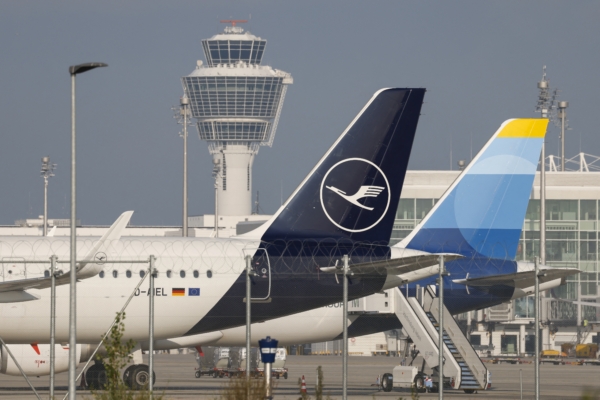
Among them, Lufthansa and Turkish Airlines have notably reduced flight frequencies. Lufthansa has cut 20,000 short-haul flights, operated by its subsidiary CityLine.
To alleviate pressure, the UK government has relaxed airport slot rules, allowing airlines to combine flights with low passenger loads.
Market analysts are closely monitoring the situation. Susannah Streeter, Chief Investment Strategist at Wealth Club, pointed out that while Brent crude oil is stabilizing around $95 per barrel, geopolitically, “conflicting messages from Iran and the US have made market sentiment volatile.”
She added that due to the situation in Lebanon and Hezbollah’s refusal to ceasefire agreements, diplomatic efforts face significant challenges in containing the escalation.
In addition, analysts from Goldman Sachs have warned that the UK, as Europe’s largest net importer of aviation fuel, faces the most severe risks due to low inventories and high dependence on imports. Its reserves may fall to a “critical low point,” with the possibility of implementing fuel rationing in the future.
The Organization for Economic Cooperation and Development (OECD) has also issued a warning, stating that if the conflict prolongs, global economic growth could sharply slow down.