
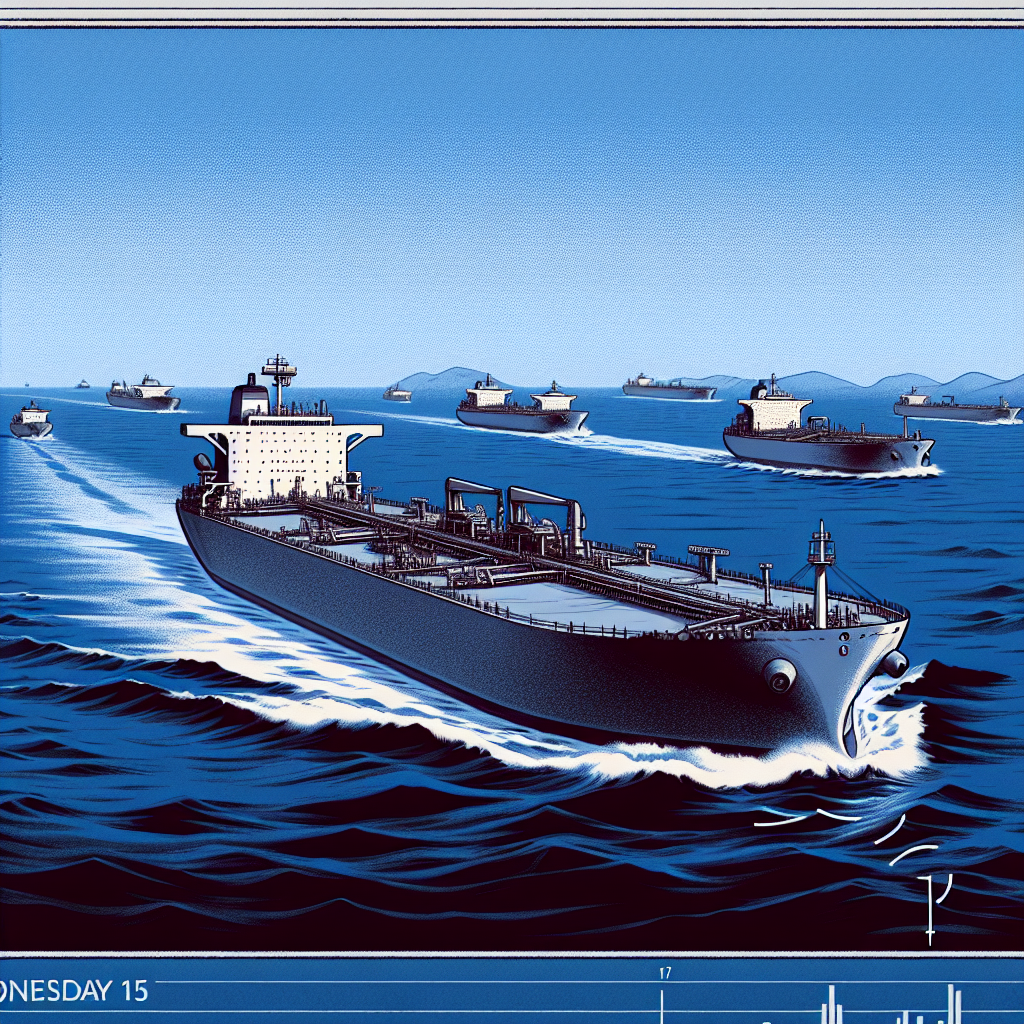
On Wednesday, April 15, the US military announced that as part of President Trump’s blockade on Iran, they successfully intercepted nine oil tankers traveling to and from Iranian ports. The US Central Command also released an audio recording showing naval vessels in the Gulf of Oman issuing broadcast warnings to ships entering and exiting Iranian ports.
According to a post on a platform by the US Central Command on Wednesday, “No ships breached the US military blockade on entering and exiting Iranian ports in the first 48 hours.”
The Command further stated that nine ships followed US military instructions and turned back towards Iranian ports or coastal areas.
Subsequently, the Central Command released an audio recording with a statement that the US Navy ships are patrolling the Gulf of Oman, while the US Central Command continues to enforce the blockade on ships entering and exiting Iranian ports. The US military is on standby, ready to ensure compliance at all times.
In the recording, the US military stated, “The United States has officially announced the blockade of Iranian coastal ports. This is a legal action. If you are leaving an (Iranian) port, please return immediately; if Iran is your next port of call, please cease your journey to Iran.”
“Do not attempt to breach the blockade. Ships traveling to and from Iranian ports will be subject to boarding inspections and detainment. Turn around and prepare for boarding. Failure to comply with the blockade will result in the use of force. The US Navy is prepared for enforcement. Evacuate immediately,” the recording said.
The Central Command also added that thousands of US military personnel, including 5,000 sailors from the Abraham Lincoln Carrier Strike Group and Marine Corps members, are carrying out the mission of blockading ships entering and exiting Iranian ports.
The US blockade has been in effect for over two days, as the Trump administration pressures the Iranian regime to abandon nuclear weapons and control over the strategic Strait of Hormuz. The Strait of Hormuz is a vital chokepoint for the transport of oil, fertilizer, and other crucial commodities.
China purchased 80% to 91% of Iran’s total oil exports. This equated to approximately 1.38 million barrels per day in 2025.
A decade ago, Iran exported oil to over twenty countries. However, rounds of sanctions have significantly reduced its buyer base to predominantly China.