
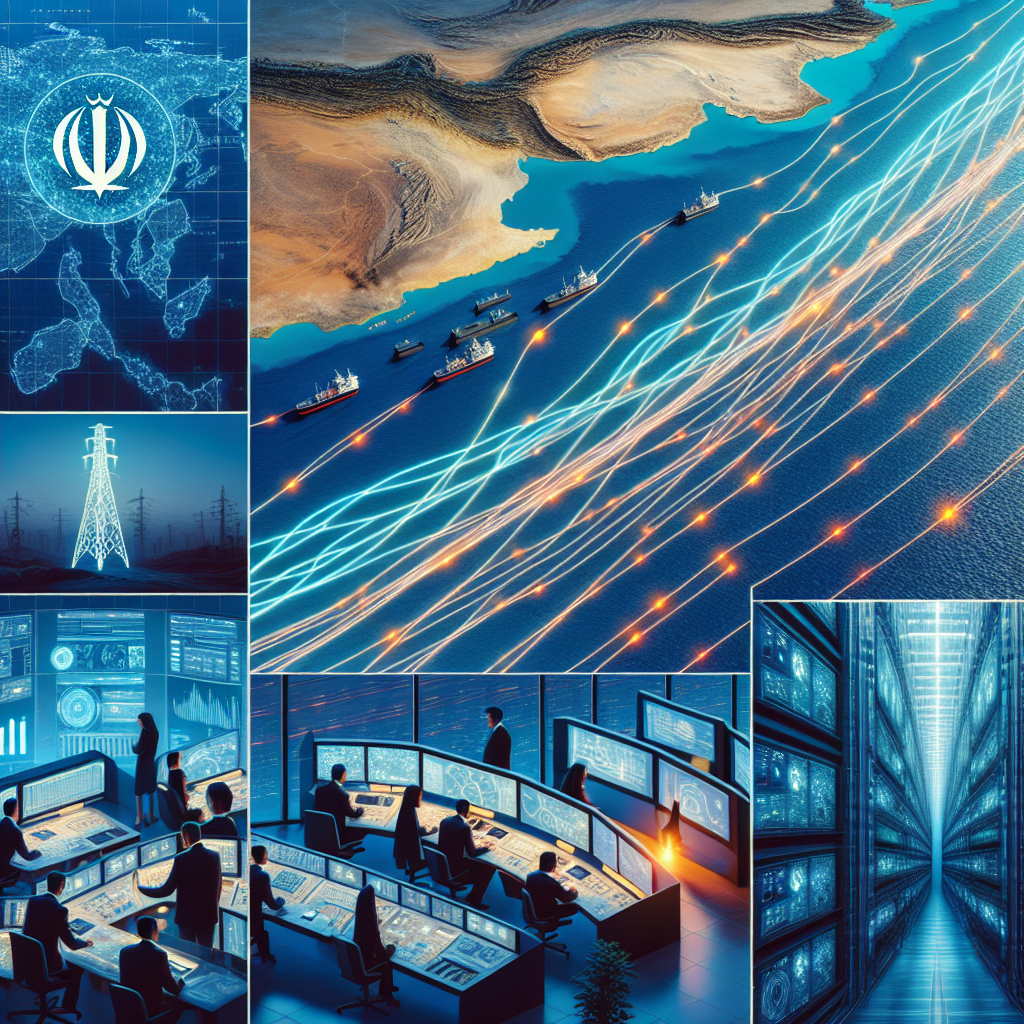
The Strait of Hormuz has not reopened yet, and there are reports that Iran is eyeing the underwater internet cables in the strait. The US government is reassessing the impact of the Middle East situation on global energy and supply chains. Sources in Beijing revealed that the upcoming meeting between the US and Chinese leaders, originally focused on trade, has now prioritized the Iran issue. The US hopes China will use its influence over Iran to prevent further escalation of risks in the Strait of Hormuz.
President Trump is scheduled to visit Beijing from May 13th to 15th, with the Chinese Foreign Ministry website releasing the itinerary just on the 11th. An individual familiar with diplomatic affairs, Mr. Wang, noted the shortened announcement period compared to Trump’s first visit to China in 2017, indicating that sensitive issues may have been finalized last minute, including hotel arrangements with two backup options still in place.
On the agenda are discussions between Trump and Xi Jinping on Iran, Taiwan, rare earth minerals, AI, and trade. A source within Beijing’s system, known as Zhang Yan, disclosed that the US raised the issue of reopening the Strait of Hormuz about ten days ago through diplomatic channels. The US wants a focus on the Middle East situation as it poses risks to global energy transport and communication systems, going beyond regional conflicts.
Chinese international relations scholar Zheng Dawei shared insights on China’s substantial influence over Iran, highlighting energy, railway, and logistics cooperation with Russia in addition to economic ties. The strategically vital Strait of Hormuz connects the Persian Gulf and the Gulf of Oman, with approximately one-fifth of global oil shipments passing through. Asian economies like China, Japan, and South Korea heavily rely on this route.
Another source within China’s foreign affairs system, Mr. Fang Rong, acknowledged that the Iran issue is impacting overall US-China relations. The US seeks Beijing’s cooperation to exert influence on Tehran through energy and trade ties. The US is particularly interested in discussions on Taiwan seeking clearer commitments from China during this opportune moment.
The meetings between Trump and Xi are anticipated to address diverse topics such as trade negotiations, Chinese purchases of US agricultural products and Boeing aircraft, as well as extending the trade truce. Trade experts in China mentioned the US’s increasing pressure on Beijing regarding trade practices and the issue of rare earth minerals.
Despite the focus on economic interests, China prioritizes national sovereignty and security concerns. A source in Beijing emphasized that China hopes for progress on Taiwan-related discussions during talks with the Trump administration, even though the chances for significant breakthroughs are slim. Trump and Xi are expected to have two meetings discussing various trade and economic matters to maintain stable tariff arrangements while addressing concerns over supply chain disruptions and economic growth.
For China, balancing economic objectives with national security remains crucial. Even as China navigates trade tensions with the US, the country is keen on securing concessions and affirmations on Taiwan-related issues during the upcoming dialogues, despite acknowledging the challenges in achieving substantial progress internally.