
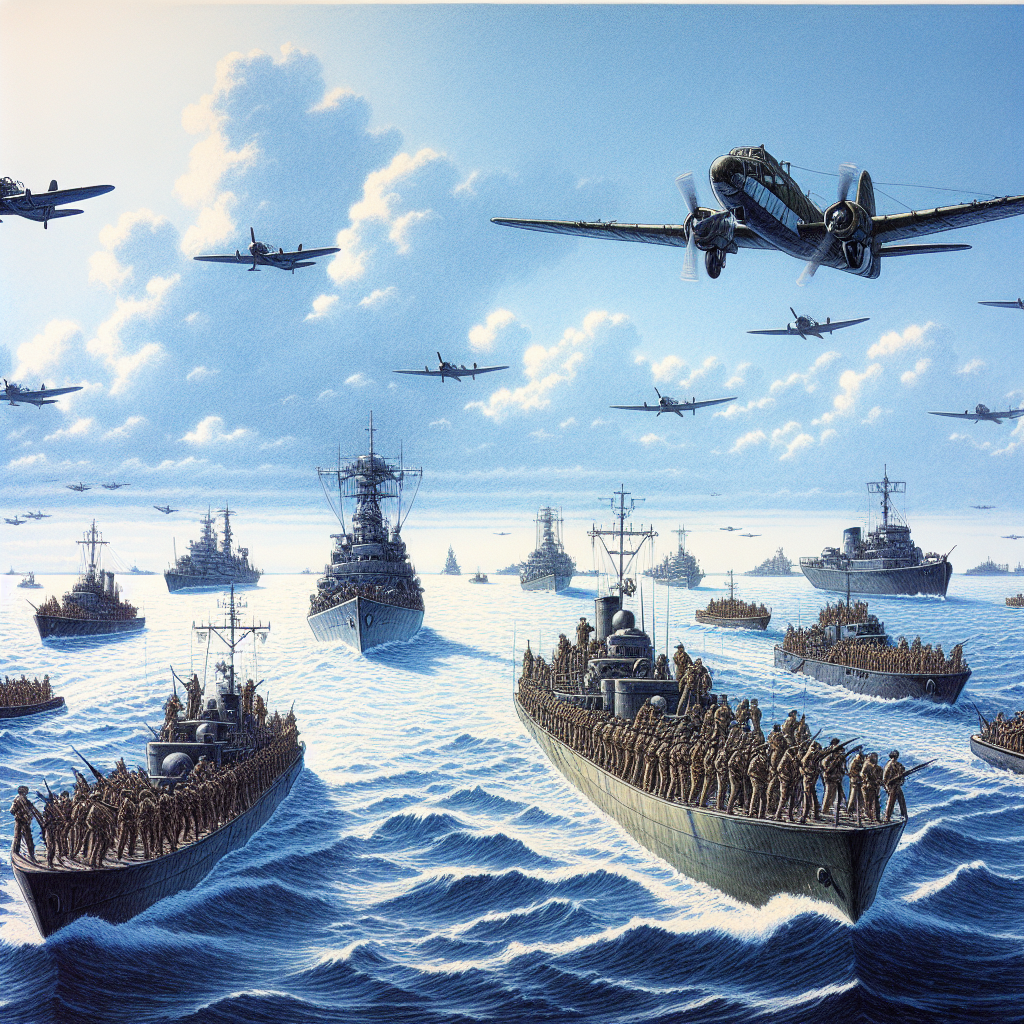
On Tuesday, April 14th, the United States Central Command announced that more than 10,000 American troops, along with dozens of warships and planes, are currently engaged in a comprehensive mission to block Iranian coastal ports. Six merchant ships have already returned to Iranian ports in compliance with the instructions given. An anonymous U.S. official confirmed to the media that two oil tankers attempting to leave Iran were intercepted by the U.S. military on that day.
According to the official who spoke to Reuters, these two oil tankers departed from Iran’s Chabahar port in the Gulf of Oman and immediately received radio warnings from U.S. warships, commanding them to turn back. It is currently unclear whether further warnings were issued by the U.S. side.
This incident reveals preliminary details of President Trump’s blockade operation. The goal of this action is to pressure Iran to lift its substantial blockade of the Strait of Hormuz, thereby restoring global trade passage and cutting off the economic lifeline to the Iranian regime provided by China and other countries through this waterway.
Since the full blockade took effect at 10:00 AM Eastern Time on April 13th, the U.S. Central Command has been actively posting related announcements on the X social platform, and warning ships that do not heed the warnings. Additionally, Trump had previously cautioned ships transiting through the Strait of Hormuz against paying tolls to Iran, which he viewed as indirect support to the Iranian regime.
A post on April 15th stated, “The U.S. military has fully blocked Iranian ports, solidifying its maritime dominance in the Middle East. It is estimated that around 90% of Iran’s economy relies on international maritime trade. Within less than 36 hours of the blockade implementation, the U.S. military has effectively cut off Iran’s maritime trade.”
Another earlier post on the same day mentioned, “An F-35B stealth fighter is on standby for takeoff from the amphibious assault ship ‘LHA 7’. The 3,500 sailors and naval marines onboard the amphibious assault ship are fully engaged in the mission to block ships entering and leaving Iranian ports.”
The U.S. Central Command highlighted in another post, “U.S. Navy missile destroyers are a critical force in executing the blockade mission. The blockade treats all ships entering or leaving Iran equally.” The post further stated that a typical destroyer is equipped with over 300 sailors and excels in conducting offensive and defensive maritime operations.
Regarding the initial results of the blockade, a post on April 14th by the U.S. Central Command noted, “Within the first 24 hours, no ships were able to breach the U.S. blockade. Six merchant ships have followed instructions and turned back to the Iranian ports in the Gulf of Oman.”
Military officials further explained that, “The blockade operation treats all ships entering and leaving Iranian ports and coastal waters (including the Arabian Gulf and Gulf of Oman) equally. At the same time, the U.S. military is ensuring the safe passage of ships traveling to and from non-Iranian ports through the Strait of Hormuz.”
However, some experts remain cautious about the effectiveness of the blockade. Noam Raydan, a scholar at the Washington Institute for Near East Policy, told Reuters that while one oil tanker did turn back on the first day, many vessels carrying Iranian oil deliberately deactivate their tracking systems to conceal their movements.
Raydan analyzed, “It is still too early on the second day to determine the ultimate impact of the blockade.” If the blockade is successful and sustained over the long term, Iran may resort to retaliatory measures. He mentioned Iran’s history of attacking ships and threatening to target U.S. forces stationed in Gulf countries.
During these days of the U.S. military blockade, as well as during the previous mine clearing operations in the Strait of Hormuz, Iran has, aside from using radio communication to verbally intimidate the U.S. military, not taken any other substantive actions yet.