
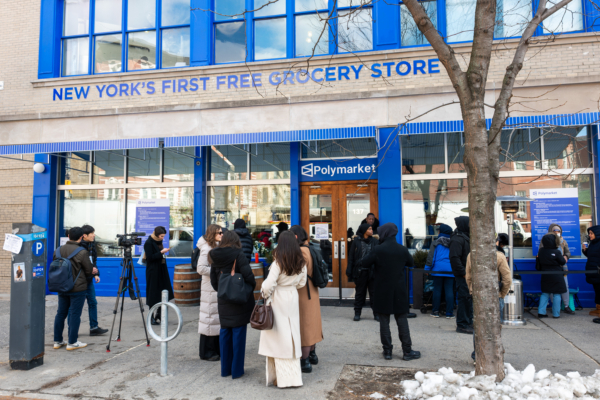
New York City Mayor Mamdani announced on the 12th that the city government will establish the first publicly operated supermarket in East Harlem, Manhattan, as the first step of his “Five Boroughs, Five Stores” plan proposed during his election campaign. The project is expected to cost about $30 million, sparking concerns from the public about its cost and effectiveness.
According to the mayor’s announcement, the supermarket will be located within the La Marqueta market under the Park Avenue viaduct, utilizing existing city assets. The mayor stated that the supermarket will be constructed in currently unused space without paying rent, with the goal of being operational by 2027.
Mamdani unveiled the plan during the celebration of his first 100 days in office and reiterated his commitment to establishing a publicly operated supermarket in each of the five administrative districts of New York City before the end of his term in 2029. He emphasized that these stores will focus on providing “fair pricing” for food supplies to help residents reduce their cost of living.
“Eggs will be cheaper, bread will be cheaper, and grocery shopping will no longer be an unsolvable challenge,” Mamdani said.
However, concerns have been raised about the related costs. According to English media reports, the construction cost of just this first store in East Harlem amounts to $30 million, nearly half of his entire $70 million budget for the Five Stores plan. Observers question whether the project may face funding shortages or require additional budget allocations if the construction costs of the subsequent stores are similar.
The city government emphasized that establishing publicly operated supermarkets aims to address the ongoing issue of rising food prices in recent years. Since the pandemic, food prices in New York City have continued to rise without significant decreases. Official data shows that between 2013 and 2023, food prices in New York City increased by nearly 66%, surpassing the national average increase.
Supporters believe that direct government involvement in the retail market can help lower prices and improve supply in some “food deserts,” especially in low-income communities.
However, critics have pointed out that government-operated retail businesses may face inefficiency and long-term financial burdens, raising concerns about potential unfair competition with private supermarkets. Additionally, whether the publicly operated model can truly reduce overall market prices remains to be seen.
It is worth noting that this plan carries certain political implications. Mamdani appeared alongside Vermont Senator Bernie Sanders at the event, who has long advocated for a greater government role in critical areas of people’s lives.
Currently, the city government has not disclosed the specific locations and opening schedule of the other four publicly operated supermarkets. As the project progresses, its cost control and actual effects are expected to ignite heated public discussions in the future.