
In recent news from Epoch Times on May 4, 2026, it has been reported that the Chinese Communist Party has elevated artificial intelligence to a core strategic position in national security. Starting from May 1, executives in the AI industry are facing increased scrutiny, believed to be aimed at establishing a “decisive advantage” in the technological competition between China and the United States. The related policies now consider AI as a more critical strategic asset compared to chips and rare earths, and are subject to strict controls under the umbrella of “national security”.
According to an insider known as Feng Jing, the Chinese authorities have escalated their control over artificial intelligence technology and related corporate activities to the level of “possible threats to national security”. Feng mentioned, “Recently, the National Development and Reform Commission of the CCP ordered that not only the technology itself, but also the mobility of research personnel and corporate executives be taken into consideration.”
As of May 1, some top executives and key developers in AI companies have been restricted from traveling abroad, with these measures gradually being implemented within the industry.
On April 27, 2026, the National Development and Reform Commission of the CCP (Office for Foreign Investment Security Review Mechanism) issued a notice making a decision to “prohibit investment” in a specific project by law, and required the parties involved to withdraw relevant acquisitions.
Mr. Wang, who is close to the Ministry of Commerce of the CCP, informed reporters that the authorities have identified certain large foreign AI companies as direct competitors and have raised them to the level of national security. He stated, “The assessment of these companies is not merely about commercial competition now, but rather, it is believed that they involve data, technology, and information control. If these are mastered by foreign companies, they could be seen as security risks.”
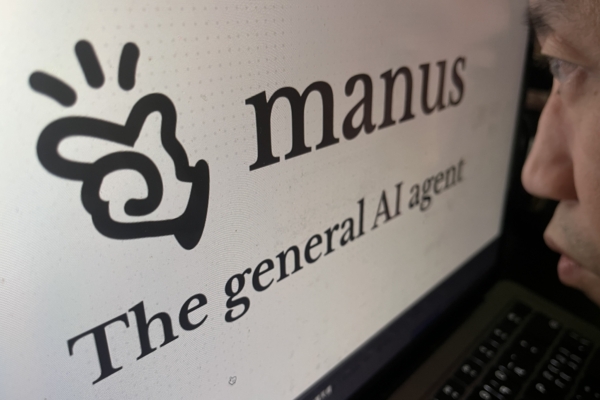
Recently, there have been reports that Meta, led by Mark Zuckerberg, expressed interest in acquiring Manus, an AI lab founded by a Chinese entrepreneur in Singapore, known for its development of “General AI agents.”
However, this deal encountered a major setback when two key executives of Manus were reportedly invited back to mainland China from Singapore for a “meeting” by relevant Chinese authorities, and after the meeting, they were restricted from leaving (commonly known as being “controlled at the border”), leaving them unable to return to Singapore to handle business affairs.
Mr. Wang mentioned that the changes surrounding the Manus acquisition case have drawn the attention of the National Security Bureau. He explained, “If this acquisition were just a regular business transaction, the National Development and Reform Commission may not have reacted so strongly. However, because it ultimately attracted the interest of a company like Meta for acquisition, the authorities are concerned that the technology might flow to competitors, posing a national security risk.”
Mr. Fu, a developer in the field of artificial intelligence, believes that the response from the National Development and Reform Commission is related to the CCP’s recent emphasis on “national security” and stringent vigilance against “overseas interference.” He said, “In their view, restrictions on artificial intelligence technology are more important than rare earth metals. Especially when the authorities see themselves as having an advantage in artificial intelligence and foresee a future where warfare highly depends on artificial intelligence computing, they don’t want foreign entities to understand China’s development in artificial intelligence.”
Fu added that China’s advancements in artificial intelligence are not necessarily more advanced than the United States, but a substantial portion of professionals in the field have received education overseas. Some have previously worked at companies such as Google and Facebook before returning to China to engage in research and development.
He mentioned, “These individuals bring back knowledge acquired, even techniques obtained through illegitimate means. Combined with the high level of commitment from young Chinese engineers and the relatively smaller scale of companies, it is easier for the technical teams to be acquired as a whole. From what I understand, Mark Zuckerberg is not just interested in the Manus project itself but more importantly in the team behind it.”
In recent years, the CCP has continuously reinforced a governance framework centered around “national security”, implementing stricter controls on technology, data, and personnel mobility. Fields like chips, rare earths, and artificial intelligence are considered strategic resources related to what is termed as national security. Against this backdrop, the authorities are gradually tightening their related control measures. An interviewed scholar indicated that the AI robots sector will become a key area of support for the authorities, due to “the powerful military applications of robots.”