
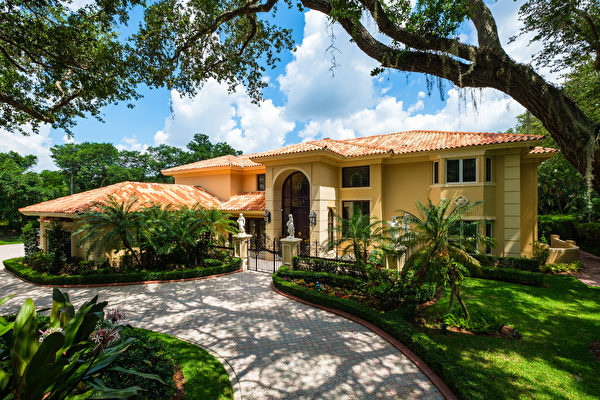
In a market where luxury homes in the United States have shown lackluster performance, San Francisco, as the center of the artificial intelligence (AI) boom, has seen a thriving luxury real estate market with sales continuing to rise.
According to data released by the real estate information website Redfin, in March of this year, luxury home sales in the United States decreased by 2.4% year-on-year, while non-luxury home sales dropped by 0.2%. In the same month, luxury home sales in San Francisco increased by 22.2% year-on-year, maintaining double-digit growth for five consecutive months – ranking third highest among the 50 most populous metropolitan areas in the United States. In contrast, non-luxury home sales in the area only increased by 3.8%.
The report indicates that high-end residential properties in San Francisco are selling extremely quickly, with an average of just 12 days to close a deal, setting the fastest record among major metropolitan areas in the United States, significantly shorter than the 28 days during the same period last year. Non-luxury housing is also selling quickly, with a median of 15 days, lower than last year’s 19 days.
With rising demand, the median sale price of luxury homes in San Francisco in March has risen to $6.808 million, a 9% increase year-on-year, reaching a historical high for the month. Meanwhile, non-luxury home prices have remained relatively stable.
Meanwhile, in March, the median sale price for luxury homes in the United States was $1.395 million, a 3.6% increase year-on-year, marking the smallest increase in five years. In comparison, non-luxury home prices increased by only 1%, hitting a historical low.
The report analyzes several key reasons for the rapid growth of the luxury housing market in San Francisco.
One reason is that San Francisco is a hub for the AI industry. Residents working in AI companies generally earn much higher incomes than employees of other tech companies. Reports indicate that the basic salaries offered by OpenAI and Anthropic are $40,000 to $85,000 higher than similar positions, not including bonuses and stock incentives.
Another reason is the shortage of supply. In March, the total number of luxury homes listed in San Francisco decreased by 15.2% year-on-year for two consecutive years. However, new luxury home listings increased by 15% year-on-year, indicating that some sellers are trying to capitalize on the rising demand.
Intensified competition is a third factor. Tight supply has led to fierce market competition, driving up prices. In March, 62.4% of luxury homes were sold within two weeks, higher than the 44.6% during the same period last year, marking the highest proportion since statistics began in 2013.
Ali Mafi, a luxury real estate broker at Redfin, stated that while AI salaries are an important factor driving the prosperity of San Francisco’s luxury housing market, there are other multiple driving forces at play.
Mafi mentioned that during the pandemic, some people did leave San Francisco, but many have since returned as they found they didn’t really want to live in the states they moved to. Additionally, there is a wave of AI professionals entering the market, bringing substantial funds to San Francisco’s real estate market, especially the luxury housing sector.
He added, “A slight drop in mortgage rates recently has also attracted more buyers, with some high-end properties receiving dozens of offers.”