
The truck and heavy vehicle industry in California expressed concerns over the state’s zero-emission regulations leading to truck shortages and increased costs. Officials are planning to end the sales of traditional internal combustion engine trucks by 2036.
California’s Advanced Clean Truck (ACT) law requires manufacturers to gradually increase the proportion of zero-emission vehicles (ZEVs) they sell in the market, such as electric or hydrogen fuel cell vehicles, and decrease the number of gasoline and diesel trucks. Anthony Bento, Chief Legal Officer of the California New Car Dealers Association, stated that due to the new regulations, the truck inventory of California dealers significantly decreased in 2024.
Bento told the Epoch Times that these rules resulted in reduced product supply, leading to cost increases. “The reality is that consumers and businesses in California will pay more because there isn’t enough new product supply to meet customer demand.” California’s goals include reducing tailpipe emissions and promoting the adoption of advanced clean energy trucks, with 5% to 9% of vehicles sold in California by the end of 2024 required to be zero-emission. The ACT regulation was passed by the California Air Resources Board (CARB) in 2020 and approved by the California Office of Administrative Law in March 2021.
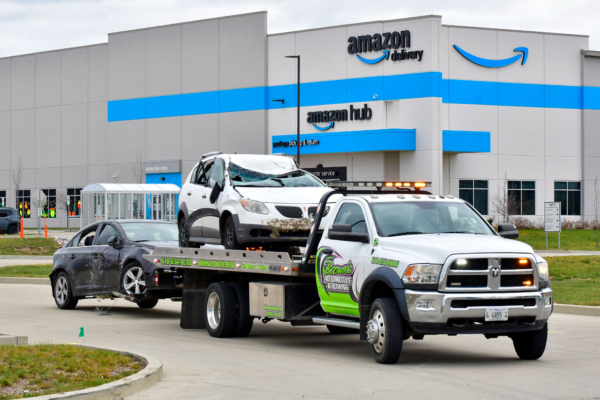
Industry representatives stated that these regulations force businesses to purchase non-compliant trucks and parts from outside the state, leave California, or shut down entirely. They also mentioned that truck owners are delaying fleet upgrades to avoid these requirements. Mark Baatz, owner of Tow Industries in Los Angeles, recently informed the host of the California Insider program that the towing industry currently lacks any available zero-emission options.
“In our industry, there are currently no electric trucks that suit our needs, regardless of cost. That new technology hasn’t arrived yet,” he said. Baatz noted a significant decrease in available inventory of diesel trucks. His company sold about 600 trucks last year, but expects only about 30 to 50 trucks available next year, impacting the emergency towing industry significantly. Additionally, another major regulation the California trucking industry faces is the Heavy-Duty Low Nitrogen Oxides (NOx) rule, which came into effect in 2021, requiring certain emissions from heavy vehicles to be reduced by 90% by 2031 compared to traditional diesel vehicles.
However, representatives from CARB stated that the ACT requirements in California may not be the issue, attributing the problem to a sluggish nationwide market, supply chain issues from previous years, and manufacturers not adequately preparing to comply with other emission regulations. As of the time of publication, CARB did not respond to the Epoch Times’ request for comments.
At a CARB meeting on October 24, Bento stated that data shows a significant decrease in truck inventory, with an 80% reduction in Class 8 heavy-duty trucks (weighing over 33,000 pounds), a drop only seen in California. Therefore, he believes that these declines cannot be attributed to nationwide or economic factors.
If the supply of new internal combustion engine trucks does not increase, businesses relying on these vehicles will face several options, Bento explained: continue using old vehicles, which are more polluting, or purchase non-CARB-compliant vehicles from out-of-state. “Both options would undermine California’s environmental goals and harm air quality,” he said.
Brian Banks, owner of Action Towing and Road Service in the San Francisco Bay Area, expressed support for clean energy and a desire for his children to live in a fresh air world, but also emphasized the need to support his company’s 200 employees and their families. “Unfortunately, there are currently no solutions that work in our industry,” he said. “I urge the commission to reconsider these regulations and continue revising them so we can continue operating until solutions are found.”
Other commentators suggested excluding emergency towing from the ACT regulations or delaying the enforcement of the regulations until technology catches up. Ashley Porter, Sales Manager at TEC Equipment in Oakland, noted that many large truck customers have left California or passed on the cost of fleet upgrades to clients.
She stated that assisting customers in understanding ACT and other regulations was heartbreaking, as some businesses lack the resources to meet these requirements. “The current content of these regulations will have long-term negative impacts on the California economy.” ◇