
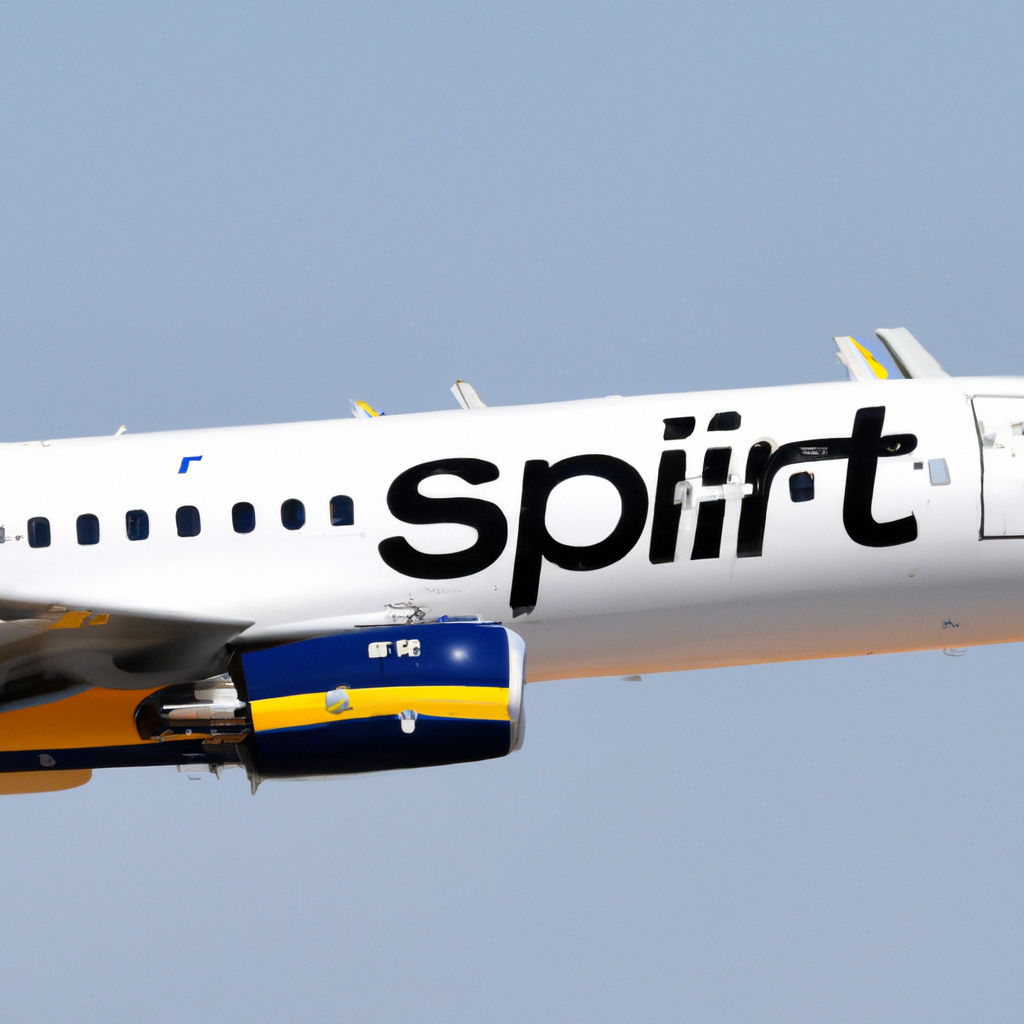
Spirit Airlines, the largest low-cost airline in the United States, announced on Monday, November 18th, that it has filed for bankruptcy protection and plans to resume operations. The downturn in the travel industry caused by the pandemic and the failure to sell to JetBlue were cited as the main reasons for the company’s bankruptcy filing.
Since the beginning of 2020, Spirit Airlines has incurred losses of over $2.5 billion and is facing pressure to pay off debts exceeding $1 billion in the coming year.
The company stated that it expects to continue operations as usual under the planned Chapter 11 bankruptcy proceedings, and customers can still book and board flights without disruptions.
Spirit Airlines is headquartered in Miramar, Florida. Its stock plummeted by 25% last Friday, and reports suggested that discussions were underway with bondholders regarding the terms of a possible bankruptcy filing. Since the end of 2018, Spirit Airlines’ stock has plunged by 97%.
CEO Ted Christie confirmed in August that Spirit Airlines was in talks with bondholders’ advisors regarding upcoming debt obligations.
People are still flying on Spirit Airlines flights, but at reduced fares.
During the first half of this year, Spirit Airlines saw a 2% increase in passengers compared to the same period last year. However, the cost per mile paid by passengers decreased by 10%, leading to a nearly 20% drop in revenue per mile and resulting in losses for the company.
This trend is not new. Spirit Airlines failed to return to profitability during the easing of the pandemic and rebound in travel due to several factors.
Firstly, the airline’s costs, particularly labor costs, have increased.
Simultaneously, major US airlines have introduced their own cheap fares, attracting some passengers away from Spirit Airlines. Additionally, oversupply of new flights has driven down ticket prices for Spirit Airlines’ core business of leisure travel in the US.
While the high-end segment of the airline travel market has surged, Spirit Airlines’ traditional no-frills service segment has remained stagnant. Therefore, this summer, Spirit Airlines decided to introduce premium packages including larger seats, priority boarding, free baggage, internet services, snacks, and drinks. This marked a departure from its long-standing strategy of attracting customers with ultra-low fares and charging extra for services like luggage or food.
The number of flights operated by Spirit Airlines from October to December this year has been cut by nearly 20% compared to the same period last year. Analysts believe this cut will help sustain low ticket prices.
However, while this move has benefited competitors, Spirit Airlines has not significantly improved its own performance. Analysts from Deutsche Bank and Raymond James stated that Frontier, JetBlue, and Southwest Airlines have seen the most benefits compared to Spirit Airlines on multiple routes.
Furthermore, the company has faced challenges due to engine maintenance issues by Pratt & Whitney. This forced the company to ground dozens of Airbus aircraft and temporarily furlough some pilots.
Spirit Airlines’ relatively young fleet makes it an attractive acquisition target.
Frontier Airlines attempted to merge with Spirit in 2022 but was ultimately outbid by JetBlue. However, the US Department of Justice filed a lawsuit to block the $3.8 billion deal, arguing it would increase costs for Spirit Airlines customers who rely on low fares. A federal judge supported this view, leading Spirit and JetBlue to abandon the merger plans in March of this year.
Bankruptcies among US airlines were common in the 1990s and early 2000s due to intense competition, high labor costs, and sudden increases in jet fuel prices. Companies like Pan Am, TWA, Northwest Airlines, Continental Airlines, United Airlines, and Delta Airlines were all affected. Some companies chose to liquidate through bankruptcy, while others renegotiated debts such as aircraft leases under favorable laws and continued operations.
(Based on reports from the Associated Press)