
With the goal of “eating healthier” in mind, walking into a supermarket can be overwhelming for many shoppers, faced with endless shelves, flashy advertisements, and time constraints which often lead them to choose the easiest or most familiar foods.
However, creating a healthier shopping cart does not require perfection, purchasing expensive specialty health foods, or avoiding entire sections of the store. Leslie Bonci, a registered sports dietitian and founder of “Active Eating Advice,” told USA Today, “The key is understanding the layout of the supermarket, knowing which foods are most nutritious, and developing a practical and flexible plan.”
When done right, the supermarket can be a tool for nourishing the body rather than a source of stress.
A healthy supermarket journey starts even before stepping through the door. Yasi Ansari, a registered dietitian and sports nutrition expert in Los Angeles, advises entering the supermarket with a shopping list that includes foods you know you will enjoy and truly eat. This helps with staying focused and ensuring the foods chosen can meet the week’s needs.
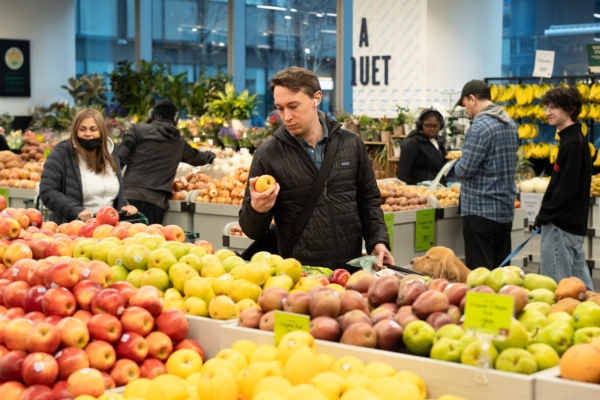
Once inside the supermarket, she suggests prioritizing foods closer to their natural state. “Start in the produce section, filling your cart with natural foods—fruits, vegetables, whole grains, nuts, lean proteins, and healthy fats.” Typically found on the store’s perimeter, these foods require refrigeration and frequent restocking due to shorter shelf lives.
Fresh produce is the top choice, with items like apples, pears, citrus fruits, onions, and potatoes being more storage-friendly. Frozen fruits and vegetables are equally nutritious and often more affordable, especially handy during busy weeks to reduce food waste and easily add to soups, stir-fries, and smoothies. Bonci also encourages shoppers to opt for pre-cut vegetables and bagged salad mixes for time-saving convenience.
Protein is another key aspect of healthy shopping, essential for maintaining muscle, increasing satiety, and stabilizing blood sugar. Foods like eggs, yogurt, tofu, chicken, peanut butter, lentils, and ground turkey are readily available, budget-friendly, and versatile for various dishes. Bonci suggests, “Canned beans and tuna can provide inexpensive, ready-to-eat sources of protein and fiber.” Additionally, she notes that frozen fish like salmon or shrimp are as nutritious as fresh fish and often more economical.
“Oats, rice, crackers, corn tortillas, whole wheat bread, and bran cereals are also excellent choices,” says Ansari. These foods offer rich fiber and energy, serving as important sources of B vitamins, iron, and other essential nutrients.
Dairy products are also part of a healthy diet, with milk, yogurt, and cheese providing calcium and protein. For plant-based choices, soy milk closely matches the protein content of dairy. Bonci points out that choosing bulk or larger packaging is a good way to save money, especially for families or those consuming yogurt daily.
While no area of the supermarket is strictly “off-limits,” certain areas do tend to display lower-nutrient foods and are designed to be most tempting and difficult to resist.
For example, the checkout area is a common “trap” filled with candies, sugary drinks, and impulse snacks designed to provide quick dopamine hits rather than nutrition.
The bakery and frozen dessert sections can also be confusing, as many high-calorie treats are packaged as “fresh” or “convenient” but offer low nutritional value.
Many central shelves—often labeled as snacks, candies, or beverages—are considered high-risk areas. They are filled with highly processed foods like sugary cereals, snack cakes, chips, pastries, cookies, and sugary drinks. These products are typically high in refined carbohydrates, added sugars, sodium, and unhealthy fats, with low fiber and essential nutrient content. They are particularly enticing due to heavy advertising, formulas designed to stimulate cravings, and being highly palatable.
At the same time, labeling an entire central shelf as “unhealthy” is not accurate. Ansari reminds that many shelf-stable foods in the store’s central aisles still provide valuable nutrition and convenience, especially suitable for those on a tight budget, limited time, or specific cultural dietary needs.
She emphasizes the importance of learning to read food labels, choosing products with lower processing levels whenever possible, and utilizing the store layout to serve oneself rather than be led by it.
“Health is not determined by a single food or where it comes from on the shelf,” Ansari says, “but shaped by the diversity and balance of our long-term choices.”