
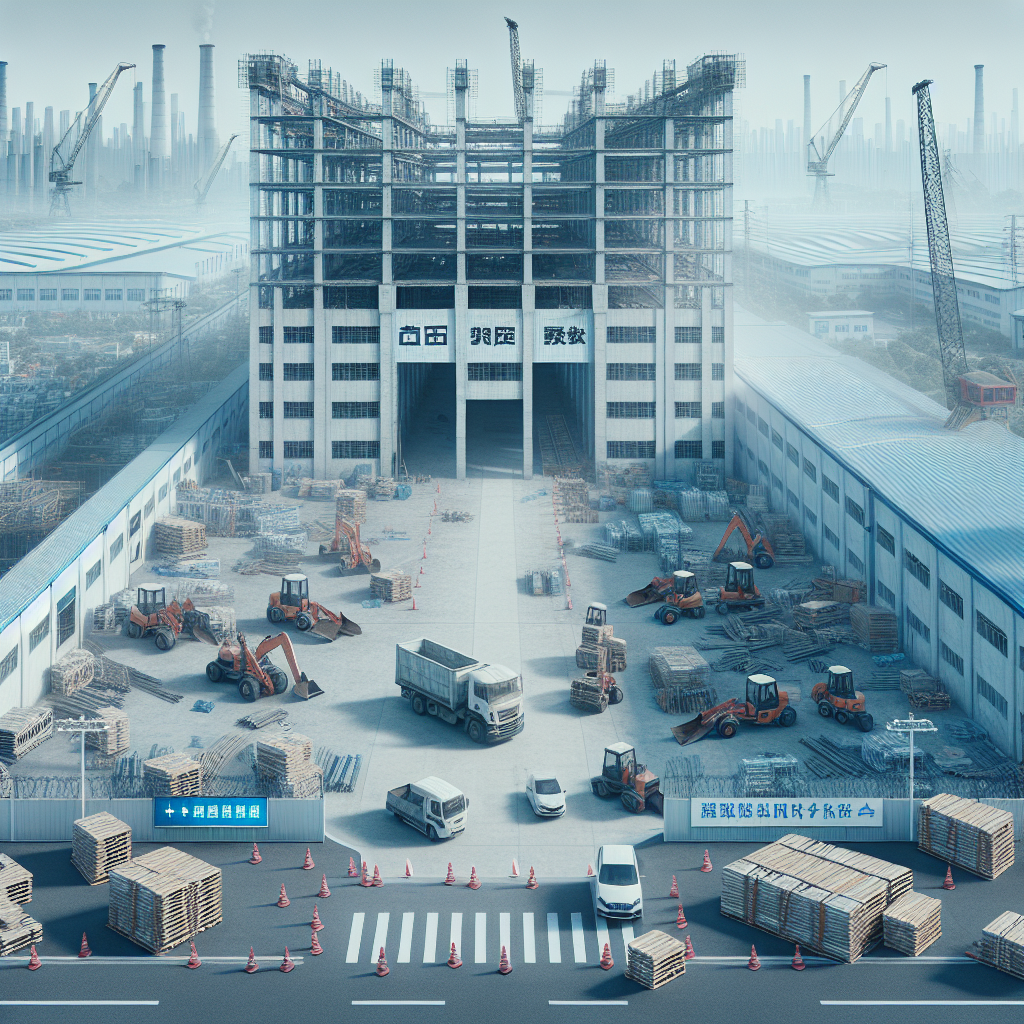
Brazilian authorities have halted the construction of a BYD electric car factory in China, citing the living conditions of workers as comparable to “slavery”.
According to a statement from the Brazilian Public Labor Prosecution Office (MPT), over 160 workers were rescued from the BYD factory in the state of Bahia in northeastern Brazil.
Scheduled to start operations in March 2025, the factory was set to become BYD’s first electric car plant outside of Asia.
Employers were reported to have detained workers, and the working conditions on-site were deemed highly dangerous.
“We found that the working conditions of these 163 workers were akin to slavery,” she said during a press conference, “The work environment did not meet the minimum safety standards.”
In Brazil, conditions considered “slavery-like” include forced labor, debt bondage, degrading working conditions, long hours posing health risks to workers, and any work that violates human dignity.
Authorities stated that the operations are ongoing, and fines have yet to be issued.
BYD claimed in a statement that they have severed ties with the involved company and would continue to strive to “fully comply with Brazilian law”.
These workers were hired by the Jinjiang Construction Brazil company and resided in four factories in the city of Camaçari.
Prosecutors pointed out that in one of the factories, workers were forced to sleep on beds without mattresses. 31 workers shared one bathroom, and they had to wake up very early to get to work.
Authorities stated that the workers’ hours were excessively long, exceeding the legal limits in Brazil, sometimes working seven days a week and being kept in degrading environments, with the company involved in other violations of labor laws.
MPT stated that this situation amounts to “forced labor” as many workers had their wages withheld and would face high costs if they terminated contracts.
BYD mentioned that the affected workers had been relocated to hotels and claimed to have conducted a “detailed review” of the subcontractors’ working and living conditions, demanding “multiple” improvements from the construction company.
Brazil is the largest overseas market for BYD, and the company continues to expand its market share there. BYD opened its first factory in São Paulo in 2015, producing chassis for electric buses.
Last year, BYD announced a $4.842 billion investment to build an electric car manufacturing plant in Brazil.
The sale of electric vehicles in China has been driven by government subsidies, leading to increasing international backlash.
Major markets like the US and the European Union have imposed tariffs on electric cars from China. With President-elect Donald Trump set to take office soon, the expectation is for the new administration to impose more tariffs.