
Luxury expedition cruise ship “MV Hondius” has been hit by a deadly outbreak of Hantavirus, with the identity of the “patient zero” now confirmed. He is Leo Schilperoord, a 70-year-old Dutch ornithologist, whose lifelong passion for birds ultimately cost him his life.
Leo and his 69-year-old wife Mirjam Schilperoord were on a five-month journey through South America when the incident occurred. According to reports from the New York Post and Dutch media, this seasoned birdwatching couple from the village of Haulerwijk in the Netherlands returned to Argentina on March 27 and visited a landfill site on the outskirts of the southernmost city in the world, Ushuaia.
Despite the harsh environment and severe pollution, the site is considered a “pilgrimage destination” for birdwatchers as it offers rare sightings of the White-throated Caracara, also known as the “Darwin Caracara”. Argentine authorities suspect that the couple may have inhaled particles from the feces of Long-tailed Pygmy Rice Rats at the site, leading to their unfortunate infection with the Andes strain of the Hantavirus, the only known human-to-human transmissible strain.
On April 1, the Schilperoord couple, along with 112 others, boarded the MV Hondius in Ushuaia. Leo developed a fever and gastrointestinal discomfort on April 6 and passed away on the ship five days later. Tedros Adhanom Ghebreyesus, the Director-General of the World Health Organization (WHO), highlighted that initially the cause of death was a mystery as the symptoms resembled common respiratory illnesses, and no samples were collected, leading to the spread of the virus unnoticed.
On April 24, Mirjam disembarked with her husband’s body on St. Helena Island and later headed to Johannesburg, South Africa to prepare to return home. However, she collapsed at the airport due to worsening condition and passed away on April 26.
It wasn’t until May 2 that authorities confirmed through laboratory testing that the couple died from Hantavirus, labeling Leo as the “patient zero”.
With the truth revealed, an international tracing effort was launched. On April 25, at least 7 American passengers from the ship who had been on the same flight with the critically ill Mirjam to Johannesburg have returned to the U.S. for monitoring.
Despite the potential for human-to-human transmission with the Andes strain, experts urge the public to remain calm. Stanford University epidemiologist Marc Lipsitch told Newsweek that the virus is not easily transmissible between individuals and typically requires prolonged close contact. The characteristic of “high fatality, low transmissibility” suggests that while the epidemic is fatal at the individual level, the risk of it evolving into a global pandemic is extremely low.
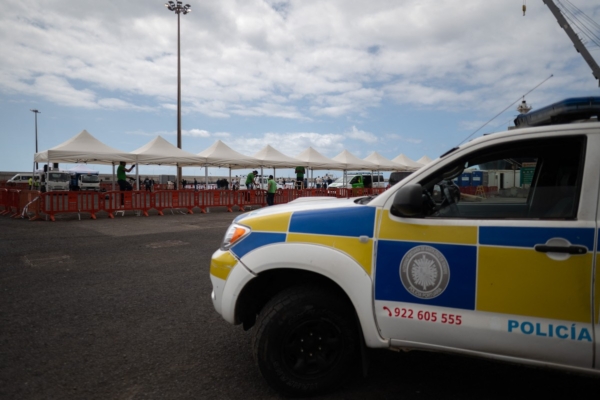
According to the latest data from the WHO as of this Saturday (May 9), there have been a total of 8 confirmed and suspected cases in this outbreak, including the deceased Dutch couple and a German citizen. The MV Hondius is currently heading towards the heavily guarded Canary Islands of Spain, with governments around the world prepared to repatriate stranded passengers under “complete isolation”.