
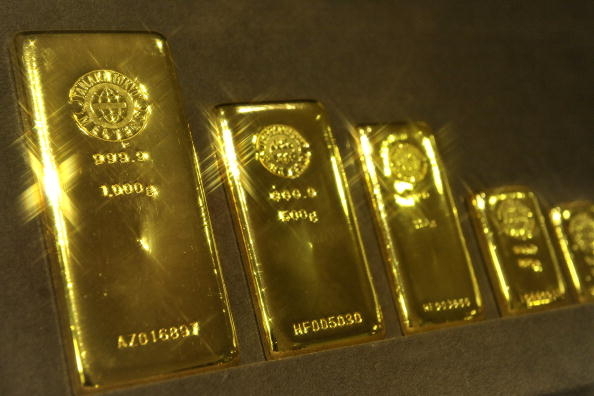
In most of 2024, the price of gold seemed to be on a continuous rise. At the beginning of the year, the price of gold was just $2,063.73 per ounce, but by late October, the price of the precious metal had surged to over $2,700, with many experts predicting it could exceed $3,000 before the end of the year. However, this upward trend came to an end in early November, with the current price of gold below $2,600 and a high likelihood of further decline.
Despite the recent dip, this lower price presents an opportunity for investors who have not yet added gold to their portfolios. Whether you are just starting out or have already included gold as part of a diversified investment portfolio, it is important to remember a few key points, especially in the face of another price drop.
According to historical price data from the gold IRA company American Hartford Gold, the price of gold started the month of November strong, reaching $2,736.35 on November 1st. Although it did not reach the peak of $2,786.44 set in late October, it hovered near that high point, leading many to expect it to surpass that level in a few days.
However, reality turned out differently. On November 5th, the price of gold fell to $2,743.98 and has since been on a downward trend, dropping to $2,598.28 on November 12th.
The cooling of gold prices may lead investors to reassess their strategies, but by keeping in mind the following three points, significant adjustments may not be necessary:
– While a drop from nearly $2,700 to under $2,600 in less than a month may feel significant, it is crucial to take a longer-term perspective on gold.
– In September, gold was still close to $2,600, so the price fluctuations may not be as drastic as they seem. Moreover, price declines in the gold market are common and often temporary. While downturns are inevitable, gold tends to steadily rise over time.
– While the price of any asset is important, it is equally crucial to remember the traditional function of gold in a portfolio, as a hedge asset that does not generate income but serves to protect other assets with greater volatility.
Gold is renowned as an inflation hedge tool, providing a buffer when stocks, bonds, or even real estate underperform. This reputation has not changed despite the recent 5% price drop in the past few weeks and is unlikely to change in the future.
Although a drop of a few hundred dollars in price may tempt potential investors to wait for a cheaper and more ideal entry point, prices are unlikely to fall back to previous levels.
The inflation rate in October saw a slight increase compared to September. As witnessed in recent years, with the rise in inflation, interest in this metal surges, often leading to price increases. Waiting for prices to drop back to early 2024 levels could be a mistake.
It is necessary to evaluate the benefits and drawbacks of lower gold prices for investors, but excessive analysis should be avoided. After all, price declines in gold are common and often temporary. These fluctuations are unlikely to diminish gold’s ability to serve as a hedge asset.
However, it is unlikely that gold prices will fall back to levels seen earlier this year or even in 2023, so investors waiting for such a scenario should consider alternative strategies.
Importantly, simply remember to adhere to the traditional gold investment limit, which is 10% of the total investment portfolio.
(Note: This article is for general information purposes only and does not constitute any recommendation. Epoch Times does not provide investment, tax, legal, financial planning, real estate planning, or any other personal financial advice. For specific investment matters, consult your financial advisor. Epoch Times does not assume any investment responsibility.)