
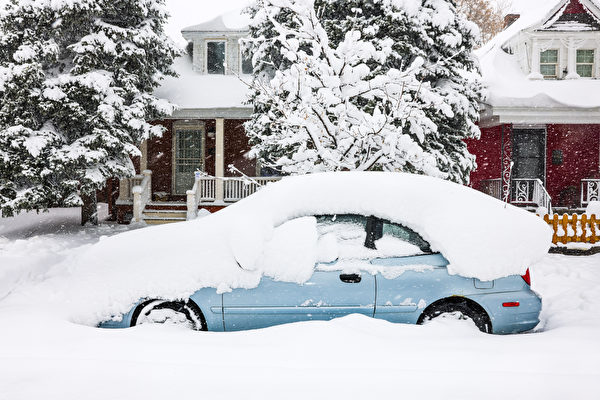
According to the US National Weather Service’s forecast, a cold front is sweeping through the eastern United States and Canada. From Friday through next week, 236 million Americans will be facing frigid weather conditions, with some areas experiencing temperatures plunging to as low as minus 40 degrees Celsius.
Driving in snowy and stormy weather poses risks, but even if you stay indoors, there are five items you should not leave in your car during extreme cold weather.
Capital One’s car navigation system warns that extreme low temperatures can cause aerosol cans to become unstable and potentially rupture or explode.
The US Department of Agriculture states that canned foods that have been frozen may pose health risks. The USDA explains that if the food inside the can expands during freezing (or due to bacterial growth), the can will also expand and should be discarded.
Furthermore, the USDA points out that even if cans have not expanded but have thawed out, they are not safe and should be discarded.
Beverages left to freeze can also expand inside the container, leading to container breakage.
The USDA further advises that eggs should not be frozen with their shells on.
The agency states on its website: “If eggs freeze accidentally and an eggshell breaks in the freezer, discard the egg. For unbroken eggs, freeze them for later use and thaw out in the refrigerator when needed.”
As reported by “USA Today,” leaving electronic devices such as smartphones or tablets in a cold car can affect their functionality.
Some manufacturers, such as Apple and Samsung, recommend that users avoid exposing products to extreme temperatures, as most devices perform best at temperatures above freezing (32 degrees Fahrenheit).
Medication is another item that should not be frozen.
According to Baystate Health in Massachusetts, if medications are accidentally frozen, there is no indication that they can still be safely consumed.
“Therefore, even if you thaw them out, it’s best to replace them with new medication rather than risking drug failure or potential danger,” the healthcare system states on its website.
According to the American Association of Retired Persons (AARP), generally speaking, liquid medications that are in a “suspended state” may suffer negative effects on their efficacy if frozen.
If you have any doubts about storing medications, AARP recommends consulting your doctor or pharmacist.
(Reference: USA Today)