
The official website of the Chinese National Development and Reform Commission announced that due to the impact of the international oil price hike, starting from midnight on March 23, the domestic gasoline and diesel prices (standard quality) have increased by 1160 yuan and 1115 yuan per ton respectively, marking the fifth consecutive price hike this year. Experts believe that the state-run oil companies in China are using the international oil price as an excuse to carry out another round of “fleecing the people.”
Before this round of oil price adjustment, regardless of the fluctuation in international oil prices, the retail prices of refined oil products in mainland China have been consistently rising. Public data shows that since 2026, there have been five rounds of price adjustments for domestic refined oil products, with prices of gasoline and diesel per ton increasing by 1160 yuan and 1120 yuan respectively compared to the end of 2025.
Prior to the official announcement of the oil price hike, on March 22, a viral text message circulated on Chinese social media from Sinopec advising members to refuel in advance due to an anticipated significant price increase, hinting at the future hike in oil prices.
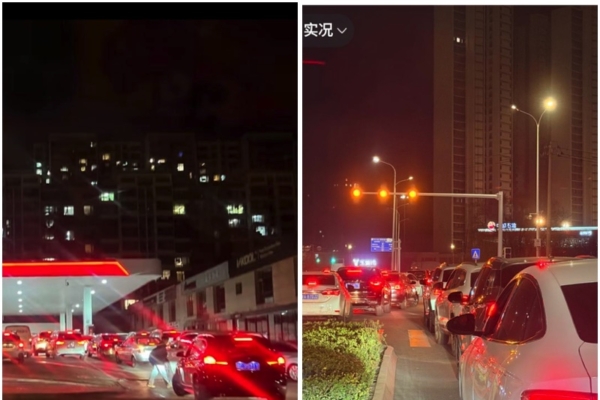
This message sparked discussions online, with popular Weibo bloggers and car enthusiasts expressing surprise and concern over the impending rise in oil prices. Some individuals in Beijing reported difficulties finding certain types of fuel at gas stations, leading to long queues and frustrations among drivers.
In the evening of the 23rd, a car owner in Jiangsu expressed online that they visited four gas stations but couldn’t find 92-octane gasoline, with only 30 kilometers of fuel remaining for their journey.
A car owner from Lanzhou shared their experience of waiting in line for over 40 minutes to refuel, highlighting the challenges faced by drivers amidst the continuous price increases and supply shortages.
Commenting on the situation, a legal scholar from Beijing pointed out that the escalating oil prices are putting a strain on the budgets of ordinary citizens, as the frequent price hikes are outpacing international trends and affecting their daily expenses significantly.
After the National Development and Reform Commission of China announced the price hike, various media outlets, including CCTV, reported on this development. The price adjustments were described as lower than initially expected, with figures showing a partial increase compared to the estimated prices under the current mechanism.
An expert on Chinese affairs suggested that the fundamental flaw in the country’s oil pricing mechanism lies in the monopolistic operations of major state-owned oil companies, which lack competitiveness and efficiency, leading to inflated prices and financial burdens on consumers.
The consistent upward trend in oil prices in China, far exceeding international trends and rates of increase in developed countries, has raised questions about the management practices and accountability of the dominant oil companies in the country.
Amid concerns about the economic impact of rising oil prices on China, experts emphasized the need to evaluate whether these price hikes are short-term measures or part of a long-term trend that could have significant repercussions on the overall economy and consumer behavior, highlighting the importance of monitoring and responding to these developments effectively.