
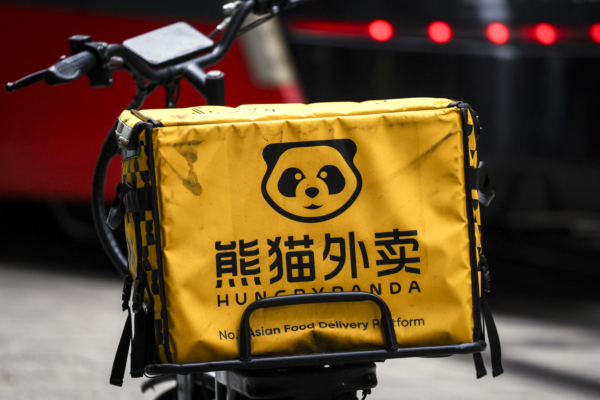
New York City government has once again taken action against the chaotic charging practices of delivery platforms. Mayor Mamdani and the Department of Consumer and Worker Protection (DCWP) announced on the 8th that the delivery platform HungryPanda has agreed to pay over $875,000 to compensate affected restaurants and settle civil fines to resolve accusations of violating New York City’s third-party delivery service law.
DCWP’s investigation found that between 2022 and 2024, HungryPanda systematically overcharged restaurants through various methods, including bundling multiple fees, repeatedly changing item descriptions, and disguising excessive charges as “promotional discounts” to conceal fees that exceeded the legal limit.
Over 380 restaurants were affected, with many located in Chinese communities such as Brooklyn Sunset Park and Flushing in Queens. The city government pointed out that these restaurants, mainly operated by Asian immigrants, often have difficulty identifying and challenging unreasonable charges due to labor and language barriers.
According to the settlement agreement, HungryPanda will: pay over $580,000 in compensation to restaurants, pay over $294,000 in civil fines and fees to the city, provide clear fee disclosures, establish internal compliance systems and conduct training, and submit compliance certifications annually.
New York City law mandates that third-party delivery platforms have a fee cap for restaurants at 15% for delivery services, 5% for other services, and imposes clear restrictions on additional services and payment processing fees.
Mamdani stated that for many restaurants, coping with labor, rent, and operational costs has already been challenging, and “when delivery platforms unjustly extract fees, it makes it even harder for them to survive.” He emphasized that this case marks the first time in New York City that an enforcement action has been taken against a delivery platform that infringes on the rights of restaurant owners, setting a significant precedent.
Deputy Mayor for Economic Justice Julie Su noted that small restaurants already face heavy pressures in dealing with daily expenses such as labor, rent, equipment, and utilities; platforms may have thought that small restaurants were “too busy and too vulnerable to fight back,” but this enforcement action sends a clear signal to the market: the city government will actively review platform regulations to protect the rights of small businesses.
This is the second time under Mamdani’s administration that action has been taken against HungryPanda. In January of this year, HungryPanda, along with Uber Eats and Fantuan, were required to collectively pay over $5 million for violating minimum wage regulations, involving nearly 50,000 delivery workers.
The city government stated that it will continue to strengthen regulation of delivery platforms in the future, especially focusing on “junk fees” and labor exploitation issues to ensure that businesses and workers operate in a fair environment.
Mamdani made the announcement at the panda cub exhibit in Prospect Park, symbolically linking the case to the venue. HungryPanda had not responded to requests for comment as of the time of publication.