
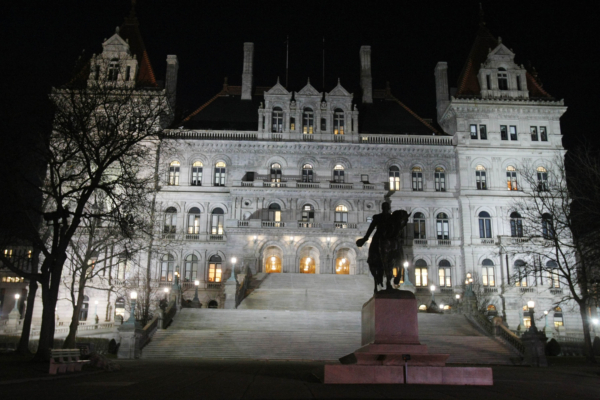
In recent days, the New York State Senate and Assembly have unveiled their respective annual “single-house budget proposals”. The contents indicate that Democratic legislative leaders are inclined to support taxing the wealthy and certain businesses, in support of New York City Mayor Mamdani’s fiscal policies. This also puts pressure on Governor Hochu, who opposes tax increases, in the final budget negotiations.
The so-called “single-house budget proposals” are a crucial stage in the New York State budget process. The Senate and Assembly first pass policy direction documents separately, which are then intensively negotiated between the Governor’s office and legislative leaders to ultimately form a statewide fiscal year budget with legal force.
This year, both chambers have included ideas to raise taxes on millionaires and adjust some corporate taxes, as well as discussed increasing taxes on high-end real estate or capital gains to create new revenue sources for state and local governments. Analysts point out that the proposed directions align closely with the priorities that the Mamdani administration has been actively lobbying for in Albany.
The city government has stated that in the face of a multi-billion dollar budget gap and pressures on public service expenditures, requiring the wealthiest segment of society to bear more tax burden will help avoid cuts to education, transportation, and housing projects. Mamdani has publicly welcomed the willingness of the state legislature to discuss relevant measures, believing that this demonstrates a deepening recognition of the city’s financial difficulties by the state of New York.
In addition to tax issues, the proposals from both houses also involve providing ongoing funding support for a pilot program for free buses. The program is seen as one of the key measures for the city government to reduce commuting costs and improve transportation accessibility.
However, Governor Hochu has previously taken a cautious stance on further tax increases, emphasizing the need for New York State to maintain its attractiveness to businesses and high-income residents. State officials also point out that the single-house proposals only represent the preliminary position of the legislative body, and the final budget may still undergo significant adjustments in the coming weeks of negotiations.
As the deadline for the budget approaches, the political maneuvering between the state government and the legislature is expected to intensify. Observers believe that this year’s budget negotiations not only concern state-level fiscal arrangements, but will also profoundly impact the future funding allocations for New York City in terms of public transportation subsidies, housing investments, and urban services.