
In the United States, the demand for technical workers remains strong, with diverse training channels available. In addition to community colleges, vocational education, and registered apprenticeship programs, the military is also an important pathway for developing skilled workers, and may be more economically viable for ordinary American families.
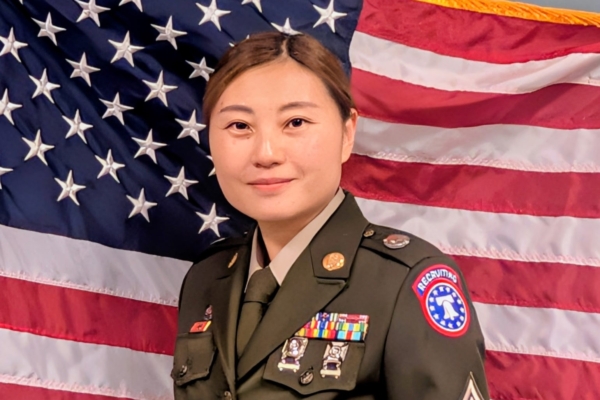
On May 4th, Sergeant Yang from the Southern California Army Recruitment Office introduced that technical positions in the military are extremely popular, with “most jobs already filled, unlike previous years.” She stated that popular full-time technical jobs have waiting lists, and even roles considered risky on the front lines have applicants. With five months remaining in the current fiscal year, her recruiting office is nearing capacity, yet overall recruitment progress remains normal.
Young Americans who enlist in the military can receive various benefits. Upon signing up, besides potentially receiving enlistment bonuses of up to tens of thousands of dollars, service members also enjoy free or low-cost medical and dental care, as well as more favorable mortgage interest rates. Additionally, military personnel can obtain multiple degrees or certifications for free during their service, facilitating future career planning.
The military’s technical training programs come in various forms, including traditional mentor-apprentice models for fields like automotive or mechanical maintenance, as well as classroom-based teaching with multiple students.
Taking automotive maintenance as an example, Sergeant Yang explained that instructors provide hands-on guidance during a 12-week training course until the day of the exam; if one fails, they can retake it once or twice. After receiving the graduation certificate, individuals can start working at their assigned units. In the U.S. Army, she said, “When you sign up, you already know where you will train for your chosen job and for how long.”
All training provided by the military is free. Working and training simultaneously enables service members to lessen financial burdens and gain valuable work experience.
The training period for some technical skills is noticeably shorter than civilian programs. Sergeant Yang used nursing as an example, noting that while obtaining a nursing license in the civilian sector may take several years, training facilities in the Army, such as those in Texas, can grant local nursing licenses in about a year. Of course, if one wishes to practice in California after leaving the military, they still need to take the state’s nursing exam.
After completing vocational training, how can reserve soldiers switch careers? According to Sergeant Yang, they can apply for job transitions, contingent on taking the “Armed Services Vocational Aptitude Battery” (ASVAB) for the chosen profession; if they meet the competency requirements, they have an opportunity to make the shift. Additionally, they need to consider factors like job vacancies and matching those with their military ranks.
The U.S. military also offers career planning for service members. Sergeant Yang initially saw the military as a stepping stone for her personal development, aiming to leverage the benefits of free college education, but she eventually found her calling within the military and decided to become a full-time soldier.
For military personnel looking for long-term growth in the service (if they enjoy the military lifestyle and can accept it), they can devise plans for their next five, ten, or twenty years; conversely, they can opt for short-term plans, acquiring technical certifications or bachelor’s degrees before retiring.
Full-time soldiers face challenges in their military life as well—soldiers may have to relocate every few years, which requires careful consideration for those with families. For those who wish to settle down and have acquired the necessary skills, they can choose retirement after completing one or two contracts.
“Before retiring, you need to plan for what comes next,” Sergeant Yang emphasized. The U.S. military’s “SkillBridge/Career Skills Program” provides transitioning service members with a buffer period, allowing for up to six months of internships before discharge, during which they can continue receiving military pay and benefits while planning for their new lives and internships towards future employment.