
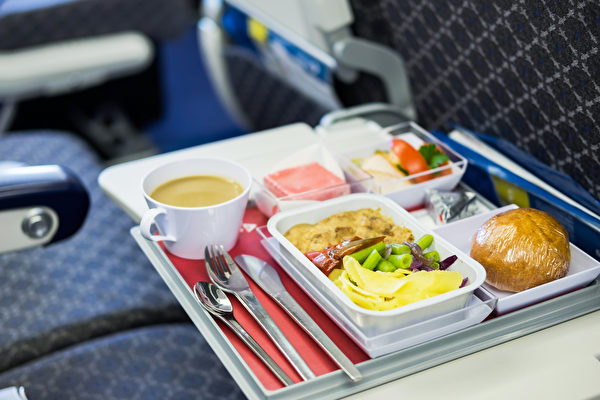
Many passengers who have flown and tasted airplane meals have had similar experiences: the taste of food and drinks at 30,000 feet in the air is different from on land. However, this is not entirely the fault of the airlines, as there are scientific reasons behind it.
The taste of airplane meals is often criticized, with many people complaining that the fundamental reason airplane meals taste bad is that they are “bland.” Clint Page Henderson, the editor-in-chief of the travel website “The Points Guy,” told Fox News Digital, “It’s not your imagination, food and drinks do taste different in the air.”
Why is this the case?
Henderson explained that the combination of lower humidity and pressurized cabins can lead to dehydration in the body, resulting in “a less intense taste of food.”
A study by the Fraunhofer Institute examined how people perceive the taste of certain foods and drinks in a flight simulator that simulated cabin conditions. This study was funded by Lufthansa because the German airline discovered that passengers drank as much tomato juice as beer on their flights, which was a surprising statistic in a beer-loving culture like Germany.
“Dehydration affects our sense of taste,” registered dietitian and founder of “Once Upon a Pumpkin,” Maggie Michalczyk, told The Huffington Post. “In addition, factors such as very dry air and lower air pressure can affect our sense of smell and taste buds. The taste of food becomes bland, and the flavors of sugar and salt also weaken.”
According to Fox News Digital, Henderson added, “Your perception of salty and sweet tastes is greatly affected. Sour, bitter, and spicy tastes are hardly affected, which may explain why food processing companies use more spices for airplane meals than on the ground.”
According to data from the Fraunhofer Institute, the airplane environment can decrease human taste sensitivity by around 30%, explaining why tomato juice tastes better and more refreshing at 30,000 feet. Ginger ale also experiences a similar taste improvement at high altitudes.
Higher altitudes and lower air pressure lower oxygen levels in humans, causing nasal passages to dry up and hindering olfactory receptors. Some people liken this experience to eating while having a cold.
Fox News Digital reported that Henderson said the background noise and vibrations on airplanes also affect the taste of food. He noted that research indicates that these factors influence people’s sense of smell. “I found that my sense of smell is affected, which truly changes the taste of food,” he said.
Nicky Kelvin, a contributing editor for “The Points Guy,” also told The Huffington Post, “Noise and vibrations can affect people’s sensations.”
“Some of the reason is that these other senses are heightened while the intensity of taste and smell are reduced,” Kelvin said.
Fox News Digital reported that Henderson mentioned he typically orders Coke Zero or cranberry juice mixed with soda during flights. “American Airlines offers espresso on certain flagship routes, and I quite enjoy it, even though coffee on airplanes is usually not that good,” he said.
When it comes to ordering food, he recommends ordering pasta, as well as American Airlines’ hamburgers or beef fillets.
Those are his favorites, he said.
However, Henderson emphasized that pasta “tastes pretty good no matter who (the airline) provides it in the air.”
Henderson also advised against one thing: excessive drinking. He said, “It’s not a good idea,” as alcohol “will exacerbate dehydration and hangovers.”