
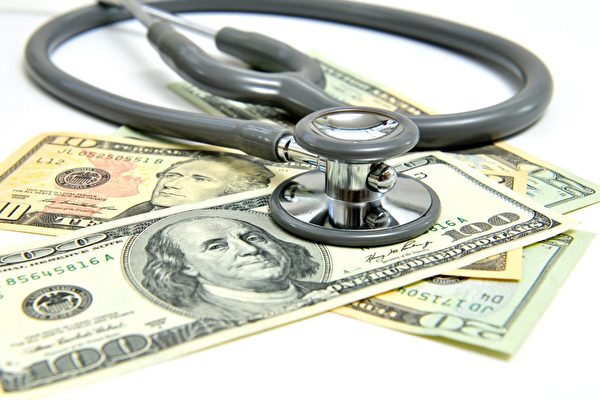
In a world full of uncertainties and challenges, facing an unfortunate situation that lands you in the hospital can be disheartening. And receiving a hefty medical bill afterwards can be even more burdensome for many people, especially those with low incomes, as it may not only deplete their savings but also potentially plunge them into a debt crisis.
In the United States, encountering high medical bills is a common occurrence, with a significant portion of Americans carrying medical debt. According to a study on medical debt by the Kaiser Family Foundation (KFF), 41% of American adults have medical or dental-related debt. 6% of American adults (approximately 14 million people) have medical debt exceeding $1,000, with around 3 million Americans facing medical debt surpassing $10,000.
However, in the face of such circumstances, one should not lose hope. The financial website Bankrate has compiled a list of methods to help low-income individuals navigate the challenges of dealing with high medical bills.
First and foremost, it is advised to reach out to hospitals and healthcare service providers to review itemized bills for all medical services to ensure their charges are accurate. Billing errors are shockingly common, including issues such as duplicate charges, bills exceeding statutory limits, forged or false charges, and other discrepancies related to medical bills. It is possible that the amount owed for medical expenses may not be as high as initially stated.
After confirming the medical expenses, one can contact the hospital’s billing office and request discounts to potentially lower the actual amount needing to be paid, especially if one can make a lump sum payment or settle the bill in full within 30 or 60 days, as this might lead to discounts being offered.
If unable to make a full payment all at once, one can opt for installment payments. Many medical facilities offer interest-free installment payment plans.
Furthermore, individuals can get in touch with their health insurance companies to ensure that all expenses covered under their insurance policy have been paid for. Often, insurance claims may be denied due to the incorrect use of codes by doctor’s offices. If an insurance claim is denied, there is an option to appeal the decision. A study in 2024 by the Federal Fund found that 50% of those who appealed their denial overturned the initial decision.
Additionally, contacting the hospital’s billing office to inquire about potential eligibility for financial assistance programs could be beneficial. Many nonprofit organizations in the United States provide such assistance to low-income or economically challenged patients, relieving them of some or all of their medical expenses.
If one possesses a Health Savings Account (HSA), using the tax-free funds from it to pay off medical bills can be beneficial. The account is specifically designed to assist those with high deductible health insurance plans in covering their out-of-pocket medical costs. If not already in possession of an HSA, opening a new one could be advantageous in handling future repayments.
To raise funds, options such as medical loans, crowdfunding platforms, multiple medical debt consolidation loans, and utilizing home equity loans can be considered. However, it is important to note that various loan options come with different interest rates, necessitating careful consideration of one’s ability to repay in the future.
All in all, when faced with a challenging situation due to substantial medical debt and feeling at a low point in life, it is crucial to actively seek solutions rather than succumbing to despair. As long as there is still confidence, there will always be a light at the end of the tunnel.