
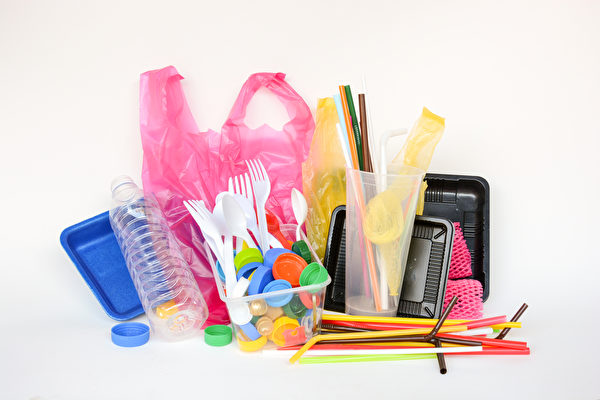
The Iran war has led to disruptions in oil transportation, triggering a plastic shortage crisis in Asia. Manufacturers in various countries have issued warnings as industries such as food, healthcare, and consumer goods are facing widespread shortages of raw materials.
According to a report by the Financial Times on Thursday (May 7), around 70% of Naphtha, a type of light oil commonly used in Asia, is imported from the Middle East. Since the outbreak of the Iran war, the traffic through the Strait of Hormuz has been almost paralyzed, causing the price of Naphtha in Asia to nearly double.
Naphtha is a petroleum-derived product used in the production of specialty chemicals required for semiconductor manufacturing and is a key raw material for plastic production.
Recent data from the Japan Petrochemical Industry Association revealed that the ethylene operating rate in Japan has dropped to 68.6%, reaching an all-time low. Companies like Mitsubishi Chemical, Mitsui Chemicals in Japan, and Formosa Petrochemical in Taiwan have either reduced production or declared force majeure, stating they cannot fulfill supply contracts.
A survey of 102 companies in Japan found that 44% of food producers have been affected by shortages of plastic packaging, price increases, and delivery delays. A major producer of fermented soybeans and a dumpling chain restaurant have announced the temporary suspension of certain product sales due to the shortage.
Japanese Prime Minister Sanae Takaichi stated that domestic inventories can support until the end of the year, but experts warn that massive supply disruptions could occur as early as this month.
In Indonesia, almost all Naphtha is imported, leading to significant reductions in production scale for local industries like plastic packaging.
In Jakarta, employee Arif from Toko Durga Plastik, a company selling packaging materials, revealed that sales have nearly halved in the past month. The store has posted notices warning of “soaring” prices, as suppliers have indicated that raw material inventories can only last until the end of May.
The Indonesian Packaging Federation’s business development director, Ariana Susanti, pointed out that the food and beverage industry, which accounts for 60% of Indonesia’s plastic packaging demand, is the most severely impacted. Cosmetics, medical devices, and pharmaceutical industries are also struggling to cope.
Jakarta recently announced the cancellation of import tariffs on polypropylene and high-density polyethylene to alleviate pressure from material shortages and rising food packaging prices.
In South Korea, products like syringes and IV bags are facing tight supply due to panic buying and shortages in plastic packaging.
A survey by the Ministry of Food and Drug Safety in South Korea on Tuesday (May 5) showed a slight decrease in national syringe inventory to 45.59 million units.
Jung Chul-woo, a representative from the Korea Medical Devices Association, mentioned that hospitals and clinics stockpiling goods earlier than usual are also contributing to the shortage of medical supplies.
Health regulators in South Korea have initiated a nationwide investigation into intermediaries and companies suspected of hoarding syringes.
Amid this crisis, alternative packaging materials such as recycled plastics, paper, bamboo, and sugarcane residue unexpectedly benefit.
Supply chain engineering expert Li Dong from Nanyang Technological University in Singapore stated that recycled plastic prices have surged from around $400 per ton before the crisis to $1,600, while virgin plastic has risen from $950 to over $1,800.
Professor Chen Ping-Kuo from Ritsumeikan Asia Pacific University in Japan highlighted that the price difference between virgin and recycled plastics is narrowing, reshaping the investment logic in the Asian market and emphasizing the increasing commercial viability of recycled plastics.
Chen noted that small and medium enterprises are facing particularly difficult situations during this plastic shortage crisis in Asia.
If the scarcity in supply persists, there may be widespread closures and consolidations among small and medium manufacturers in Asia, especially in low-profit industries like plastic toys, packaging processing, and basic consumer goods. Ultimately, the impact will extend to global brands and retail markets in Europe and the United States.