
In recent years, there have been frequent cases of “Deed Fraud” in New York and across the United States, with victims often being immigrant families who have worked hard in America for many years, especially the elderly who are at the highest risk.
One elderly reader of The Epoch Times recently called in to express his plight. After years of hard work as an immigrant in America, he and his wife completed a mortgage for a duplex property in 2023, thinking they could finally settle down. However, to his surprise, someone used his identity to mortgage the property for $140,000 without his knowledge. The bank later demanded repayment from him, and to make matters worse, the court approved the foreclosure of the house, leaving him facing the possibility of losing his home.
The reader mentioned that not only have his bank accounts been frozen, making life difficult, but the tenants inside the property have refused to leave and have been withholding rent for an extended period. Being elderly and unable to work, the family’s expenses now rely solely on the daughter’s income. It was only after reviewing relevant documents afterwards that he realized his property deed had been illegally manipulated, misused, or altered.
Currently, the elderly man has hired a lawyer to pursue the case, but due to the involvement of criminal investigations, specific details cannot be disclosed. Based on fraud prevention tips provided by the New York City government, this paper has compiled preventive suggestions to alert readers to heighten their vigilance and avoid becoming the next victim.
According to the New York City government, when criminals register false property contracts, mortgages, or liens without the knowledge or consent of the homeowner, it constitutes “Deed Fraud.”
Common tactics include forging signatures to transfer property ownership, borrowing under a false identity with the property as collateral, and deceiving homeowners into signing over property rights unknowingly.
High-risk groups for victimization include the elderly, immigrant families unfamiliar with the U.S. property registration system, individuals who have not monitored their property records for an extended period, and properties that are vacant or involve unsettled inheritances.
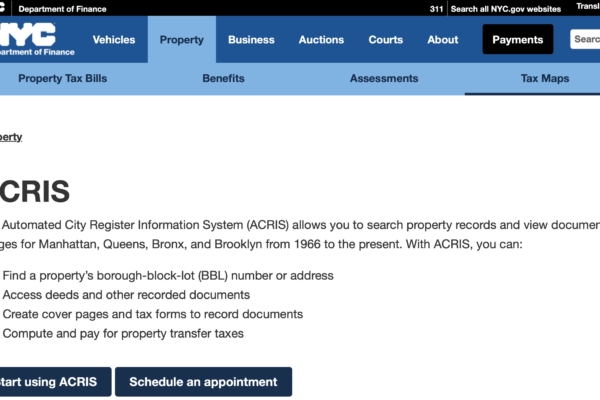
The New York City government recommends that every homeowner take the following two crucial steps: firstly, regularly check property records at least once a year using the Automated City Register Information System (ACRIS) provided by the Department of Finance to see if anyone has registered contracts or mortgages against your property without your knowledge.
Secondly, enroll in the Recorded Document Notification Program. If anyone conducts property transfers, mortgages, or legal document registrations on your property, the system will automatically notify you or designated family members.
Other important preventive measures include ensuring that governmental departments have the correct mailing address; if property tax or utility bills stop arriving, or if there is a sudden increase in utility bills, immediately check the Department of Finance website or call 311; conduct regular checks on vacant properties; avoid mail piling up while away; establish a will to clarify property inheritance; update property deeds when there are ownership changes; consider purchasing property title insurance; when making property decisions, always consult an independent lawyer.
Time is of the essence, the earlier you address the issue, the better chance of recovery. Please lodge a complaint with law enforcement immediately, you can report to the Sheriff’s Office (718-707-2100) or contact your local District Attorney’s Office to obtain copies of property records (ACRIS or County Clerk) and seek legal assistance.
If you do not have your own lawyer, the Homeowner Protection Program (HOPP) website provides free consultations and legal aid from lawyers, and you can call 855-466-3456 for inquiries.
If facing eviction, you can apply to the court for a 90-day stay on eviction to buy time to fight legally for property rights.