
As an engineer, overclocking expert, and veteran in the field of heat transfer in Germany, Roman Hartung, the chief executive of the renowned German thermal management company Thermal Grizzly, recently fell victim to a sophisticated scam by Chinese merchants in sourcing raw materials. This incident has sparked discussions in the global tech community.
In a video posted on Youtube titled “I Got Scammed,” Hartung revealed his experience of being deceived despite being cautious, eventually falling into the trap.
In order to develop and produce GPU water blocks amidst rising copper prices and high supply costs in Europe, Hartung shifted his focus to the Chinese market. Having worked previously with Chinese manufacturers, Hartung personally handled the procurement this time and conducted multiple verifications before placing the order.
To avoid purchasing counterfeit or low-quality products, Hartung did his homework thoroughly, scrutinizing documents and verifying supplier information. Eventually, he placed two orders – one for copper material and another for aluminum sheets, totaling 40,000 euros, through the e-commerce platform Alibaba.
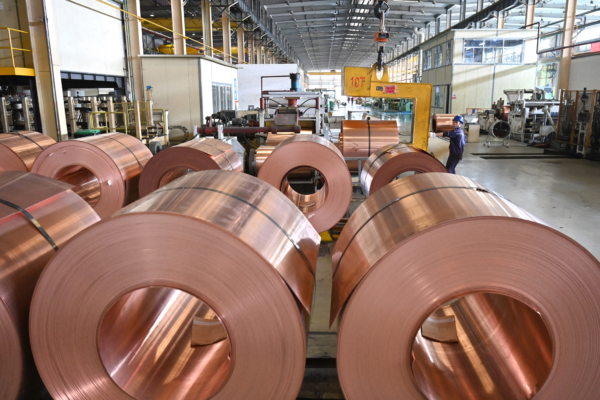
Several weeks later, several pallets of metal arrived in Germany, and the company initiated routine quality inspections. Preliminary X-ray spectroscopy tests on the samples indicated that the sheets were pure copper. However, unexpected results surfaced during conductivity tests. When the team machined the material for further testing, sparks were produced – a phenomenon not associated with genuine copper.
Subsequently, an engineer suggested conducting a magnetic test, which led to a realization that these “copper sheets” exhibited magnetic properties abnormally. This indicated that they were not 100% pure copper but rather steel sheets plated with copper.
The batch of aluminum sheets also posed significant issues, with only the top few sheets being genuine, while the ones underneath were worthless steel sheets. Moreover, to avoid detection, the Chinese merchants even left a third of the space empty, preventing the fraudulent practice of “watering down” from being noticed in appearance and weight.
Hartung emphasized in his YouTube video that this was a meticulously planned scam. His company ultimately rejected the fake materials to protect its reputation.
Hartung noted that the substandard materials could not possibly be used as production materials, and even recycling them would result in substantial losses.
If such a situation had occurred in Germany, Hartung could easily take legal action against the supplier. However, since the supplier is in China, although efforts have been made to contact them, legal actions in China to protect their rights are extremely challenging. Currently, Hartung’s company is facing a cash flow issue.
This prompted him to decide to make a video publicly addressing the issue. Apart from apologizing to pre-order customers and explaining the delay, he also aims to remind global enterprises to be more vigilant when engaging in cross-border procurement.
He cautions that such fraudulent activities often occur when prices of crucial industrial materials surge, prompting suppliers to pass off low-value metals as genuine products.