
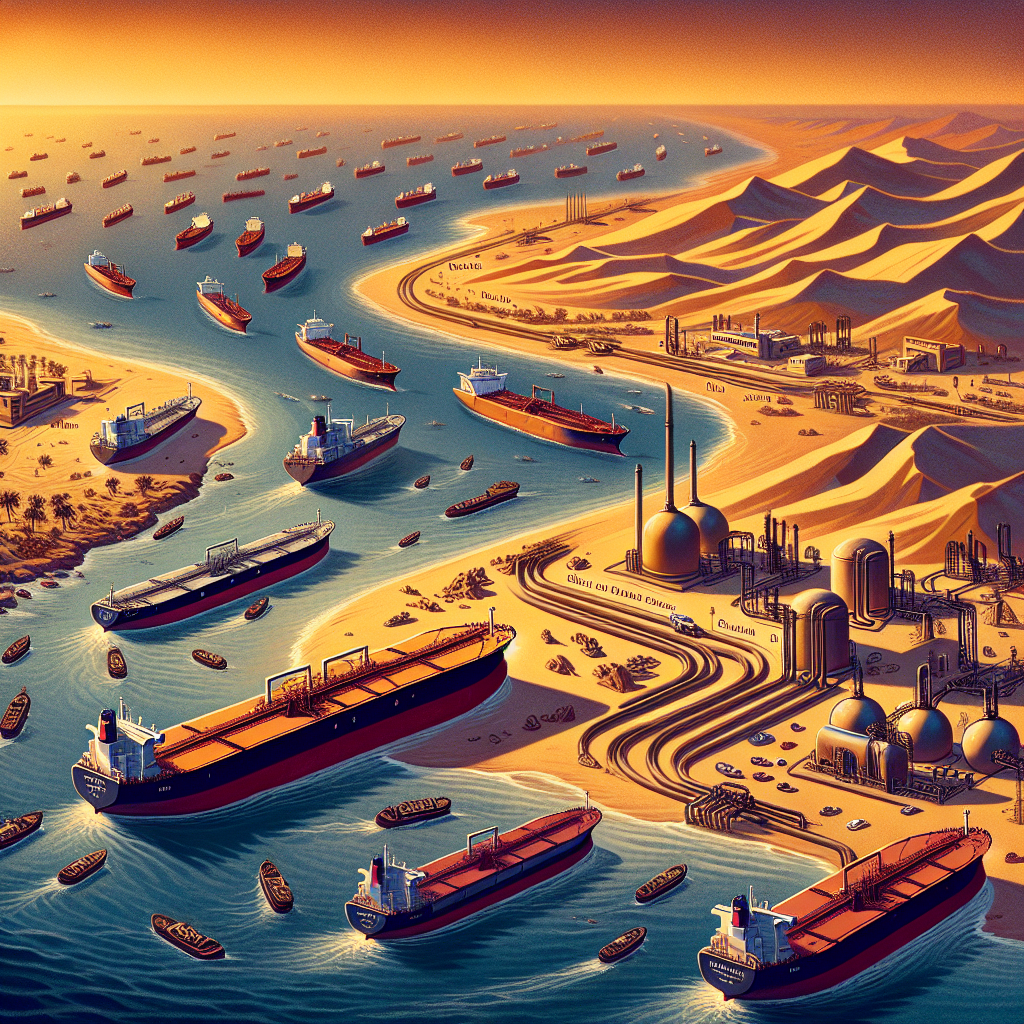
As the Middle East is engulfed in turmoil due to the intense Iran conflict, the strategic chokepoint of the Strait of Hormuz, which carries approximately one-fifth of the global oil supply, has been effectively paralyzed. The two crucial oil pipelines bypassing the Strait of Hormuz have become the focus of global attention.
Since the launch of “Operation Epic Fury” by the US-Israeli coalition on February 28, Iran has been launching retaliatory attacks against passing ships. With shipping risks soaring to unprecedented levels, Saudi Arabia and the United Arab Emirates (UAE) are working at full capacity to activate their critical alternative pipelines, attempting to partially offset the impact of the strait’s closure.
Currently, the global oil market is closely watching these two bypass pipelines:
Saudi East-West Pipeline (Petroline):
This network, approximately 750 miles long, connects the eastern oil fields to the port of Yanbu on the Red Sea. Following recent emergency expansions, its design capacity has been increased to 7 million barrels per day. Saudi oil giant Aramco stated that the pipeline is expected to reach full operating capacity in the next few days.
UAE Abu Dhabi Crude Oil Pipeline (ADCOP):
This pipeline transports crude oil from the Habshan onshore oil fields to the port of Fujairah outside the strait. While smaller in scale, it can handle around 1.5 to 1.8 million barrels per day, with current utilization exceeding 71%.
Amid pipeline diversions, maritime violence continues unabated. On Wednesday, the bulk carrier Mayuree Naree, flying the flag of Thailand, was attacked and set on fire in the Strait of Hormuz, leading to three Thai crew members going missing, believed to be trapped in the severely damaged engine room. The Iranian Revolutionary Guards claimed responsibility for the attack, carried out by their “warplanes,” showcasing a shift from missile strikes to more direct military interventions.
On Thursday, the Thai Ministry of Foreign Affairs expressed “strongest protest” to Iran and demanded a formal apology for the incident. Meanwhile, within Iraqi territorial waters, two oil tankers were attacked by Iranian explosive-laden boats, resulting in the death of a foreign crew member. Iraq subsequently announced the closure of all oil ports within its territory, with its production plummeting by approximately 70% due to the conflict.
Analysts point out that despite alternative pipelines, refined petroleum products remain highly dependent on tanker transportation, and the pipeline infrastructure itself faces the risk of being targeted by Iranian missiles.
In recent days, as tensions escalate, seven ships have been attacked in the vicinity of the Strait of Hormuz within just 24 hours (including the latest report of a container ship on Thursday morning). With the turmoil affecting global maritime trade, stock markets around the world experienced a general decline on Thursday.
Trump has issued stern warnings multiple times, emphasizing that if Iran continues to block oil exports, the US military will retaliate with “20 times the force.” He noted that with the Iranian Navy already essentially defeated, the US Navy is ready to provide necessary escort for merchant ships, bluntly stating that the rise in oil prices is a “small price to pay to defeat Iran.”
Currently, global oil prices are fluctuating dramatically between $90 and $120 per barrel. As Operation Epic Fury moves into a new phase of dismantling Iran’s missile production facilities, the stability of these two pipelines in Saudi Arabia and the UAE is a topic of utmost concern.