
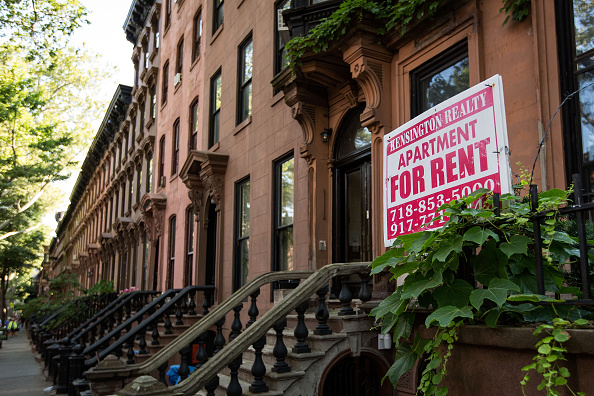
On March 26, the Rent Guidelines Board (NYCRGB), including five new members appointed by Mayor Mamdani, released this year’s new report. The report indicated an increase in the net operating income (NOI) of landlords of residential buildings, including rent-stabilized units, from 2023 to 2024. This news is seen as a green light for the Mayor to fulfill his campaign slogan of “rent freeze.” The Small Property Owners Association in New York responded, stating that the data is distorted and does not reflect the full picture.
According to the report from the committee, the NOI of buildings with rent-stabilized units increased by 6.2%, with a 2.2% increase after adjusting for inflation. This marks the third consecutive year of growth in landlords’ net operating income, but it is lower than last year’s 12.1% increase.
The report found that the largest increase in landlord NOI was in Staten Island and the core of Manhattan, with growth rates of 15.1% and 10% respectively. Following are Upper Manhattan (9.1%), Queens (6.8%), and Brooklyn (4.4%); in contrast, the Bronx saw a decrease of 0.1%.
From 2023 to 2024, landlords’ rental income increased by 4.8%, total income by 4.9%, and operating costs by 4.2%. Across the city, the average rental income for landlords of buildings containing rent-stabilized units was $1681, average total income was $1890, and average operating costs were $1203, resulting in an average net operating profit (NOP) of $687 per unit per month.
However, about 9% of households are facing financial difficulties, meaning their expenses exceed their income. These properties are mostly concentrated in the northern part of Manhattan and the Bronx.
This report is believed to provide an opportunity for Mayor Mamdani’s allies and supporters of rent freeze to push forward the policy. The report of the Rent Guidelines Board can be accessed through the following link: https://tinyurl.com/4cs2tr
However, landlords believe that this overall optimistic report distorts the economic challenges they are facing.
Ann Korchak, the chair of the Small Property Owners of NY, told the media that these are just average figures, and many small real estate owners are operating at a loss.
“The gap between controlled rent and operating and maintenance costs for rent-controlled housing is widening,” she wrote on X platform. “Since 2016, property taxes, mortgage loans, utilities, insurance premiums, labor, and material costs have all significantly increased, far exceeding the rent adjustment rates stipulated by rent control regulations.”
Korchak told Gothamist media, “We need more accurate, more transparent analysis, using more timely information, to reflect the economic challenges faced by small property owners.”
Since his inauguration, Mamdani has expressed his hope that members of the Rent Guidelines Board can “assess the situation of tenants in rent-stabilized apartments citywide.” However, Mamdani has yet to explicitly call for a rent freeze since taking office.
New York City has approximately one million rent-stabilized apartments spread across about 50,000 buildings.
Rent stabilization applies to buildings with six or more units constructed before 1974, as well as newly constructed buildings benefiting from tax abatements or government subsidies.
This means that the annual voting results of the Rent Guidelines Board apply to both the century-old apartments in the Bronx and the two-year-old developments in Brooklyn enjoying property tax exemptions.