
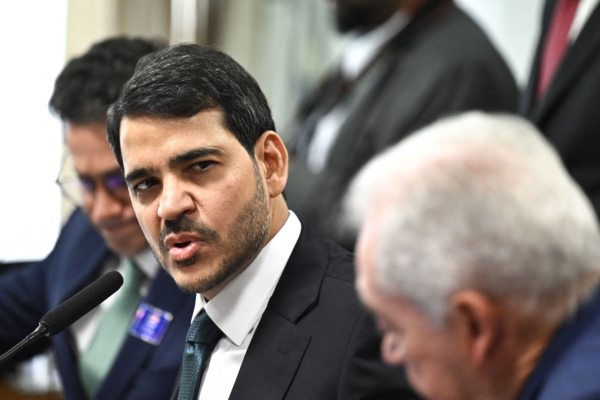
On Wednesday, April 29, the Brazilian Senate rejected the nomination of federal attorney general Jorge Messias to fill the vacancy for a justice on the Supreme Federal Court. This decision makes Brazilian President Luiz Inácio Lula da Silva the first president in over a century to have a Supreme Court nominee rejected by the Senate.
The nomination was rejected by a vote of 42 to 34, falling short of the threshold of at least 41 affirmative votes among the 81 senators. Prior to this, during his term in 2023, President Lula successfully had Cristiano Zanin and Flavio Dino appointed as justices to the Supreme Court.
Messias, 46 years old, has been working at the Federal Attorney General’s Office for nearly 20 years and has served as the head of the institution since President Lula took office in 2023. Following the vote, he expressed to reporters, “We must accept the outcome. The Senate holds the supreme power and has made its decision. I appreciate the votes I received.”
In recent months, the Lula government organized an unprecedented lobbying campaign, actively seeking support from senators across different political factions. On April 27, President Lula even hosted a banquet at the presidential palace for ministers, senators, and governors, endorsing Messias as a nominee for the position of justice.
Initially, the Lula camp believed that Messias could help alleviate the tensions between the Congress and the Supreme Court, as he is a Baptist Christian and this nomination was seen as a gesture of goodwill towards the 27% of the Brazilian population who are evangelical Christians. However, polls indicated that Lula’s support among evangelical voters has been below average.
The tensions between the Congress and the Supreme Court mainly stem from some lawmakers feeling that the Court has encroached upon their duties. Furthermore, the opposition criticized the Supreme Court’s handling of the case involving former President Jair Bolsonaro’s attempt to overturn the government last year.
Additionally, Messias’ defense of the Lula government’s position and his advocacy for supporters during the incident where Bolsonaro supporters attacked government buildings in 2023, have also stirred dissatisfaction among the opposition.
The leader of the ruling party in the parliament, Senator Randolfe Rodrigues, believes that Messias’ rejection is influenced by the upcoming presidential election in October. According to him, “Under the pressure of the presidential election process, there is currently a prevailing anger towards the Supreme Court among the public and the congress.”
In fact, as early as last November when the nomination was first announced, right-wing lawmakers aligned with former President Bolsonaro and lawmakers closely associated with Senate President Davi Alcolumbre have had doubts and opposed the nomination of Messias by the left-wing president.
Senate President Alcolumbre had advocated for recommending former Senate President Rodrigo Pacheco and others to succeed former Justice Luis Roberto Barroso, who resigned eight years ahead of schedule.
Opposition senators argue that the vacant seat on the Supreme Court should be filled by the next government. Additionally, they hope that their favored right-wing candidate, Flávio Bolsonaro, son of Jair Bolsonaro, can defeat Lula in the presidential election in October.
(Reference: Reuters)