
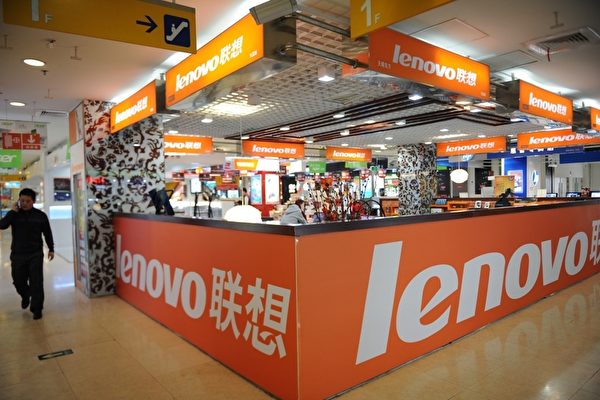
Amid the comprehensive and sustained downturn of the Chinese economy, consumer confidence has plummeted to a record low. Many netizens have recently complained that they were hoping for computer prices to drop, only to find that prices have surged by thousands of yuan, leading to a frenzy of price hikes.
It has been reported that prices of various laptop computers under the brands of Lenovo, HP, Dell, Asus, and Acer have significantly increased in the short term, with some products experiencing price hikes of up to 50%, sparking widespread attention on the internet.
In recent days, global computer giants including Lenovo, HP, Dell, Asus, and Acer have raised the prices of many laptop computers, leading to a noticeable impact on the end-user market.
According to a report by “Guiyang Daily” subsidiary “Tianyan News” on April 28th, the increase in computer prices at the end-user level is due to the soaring prices of upstream storage chips.
The report reveals that Lenovo’s price increase letter to its distributors shows that compared to the same period last year, the retail prices of some computer models have increased by over 1000 yuan. Another leading computer manufacturer, Dell, implemented a comprehensive increase in the prices of commercial computers starting from December 17, 2025, with price hikes ranging from 10% to 30%.
“China Business News” previously reported that HP store employees disclosed that prices would increase significantly after April 27, ranging from 1000 to 2000 yuan.
According to a report by Zhejiang TV, on April 26, at the Hanzhou Baihui Digital Market, a Lenovo distributor showed their reporter an official pricing adjustment notice dated March 1 of this year. The distributor stated that since the end of last year, the prices of lower-priced computers had already begun to rise, and recently, all models were experiencing increases, especially computers with higher memory and graphics card configurations, which saw even larger price hikes, mostly over a thousand yuan.
The report mentions that as a result of the price increases, consumer traffic for computer purchases visibly decreased starting from April.
Another report by “China Blue News” under Zhejiang Radio and Television Group mentioned that on April 28, their reporter discovered that Lenovo, HP, Dell, and other laptop computers had all increased in price by 20% at the Hanzhou computer market.
A store owner in Hanzhou informed the reporter that the price of a Lenovo laptop, which used to cost over 3000 yuan last year, had now risen to over 4000 yuan. They also mentioned a computer priced at 12,000 yuan that had surged to 18,000 yuan, representing a staggering 50% increase.
The owner complained, “Previously during peak seasons, I would sell seven to eight units a day, but now there are no customers in the market. Look around, are there any buyers?”
On April 29, the topic of soaring computer prices trended on Weibo.
Netizens commented, “The increase in hardware prices is outrageous, memory, hard drives, CPUs, and graphics cards – everything is rising. Who can bear this? Even those looking to upgrade their machines have no choice but to wait and see.”
“Nowadays, not only smartphones but computers have also collectively raised prices. Computers with similar configurations have surged from 12,000 to 18,000 yuan, a direct 50% increase. Having to suddenly spend an extra 6000 yuan, it’s too much for the wallet. Ultimately, the skyrocketing costs of core upstream components have shifted the industry pressure onto end products.”
“The smartphone market is similar; if prices suddenly rise by a few hundred yuan and the new model might even reduce specifications, then if it’s not absolutely necessary, there’s no motivation to upgrade to a new phone.”
“It’s so expensive! It will definitely suppress consumption. Unless it’s an urgent need, most people will wait for the prices to drop before making a purchase.”
A fund blogger and Weibo influencer, “Centipede Child,” posted, “There is no way around it; with storage chips getting pricier, electronic consumer products are also increasing in prices. Business was already tough, and consumer willingness is low. Upstream production cuts and price controls lead to downstream price hikes, customers resist the rising prices even more, sales plummet, and companies are forced to rely on price hikes to maintain profits, creating a vicious cycle.”