
In June 26, 2018, Oklahoma legalized medical marijuana, with many hoping that this move would stimulate the economy and help eligible patients. It was expected that the generated 7% consumption tax and state and local property sales taxes would bring in more funds for schools and infrastructure development, create new job opportunities, and contribute to the local economic prosperity.
According to Mark Woodward, the public information officer of the Bureau of Narcotics in Oklahoma, organized crime has developed to an unexpected level in the state. He mentioned that at least 85% of the illegal marijuana cultivation facilities found in Oklahoma were linked to Chinese organized crime, utilizing shell companies for seeming legitimacy, especially during the time of the COVID-19 pandemic.
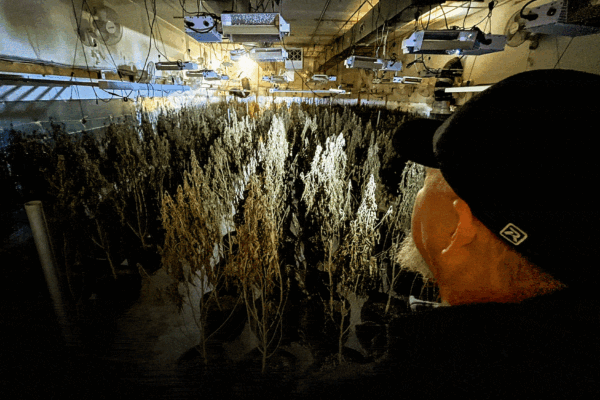
The illegal operators often purchased remote old houses or undeveloped land at discounted prices and built structures to grow marijuana. Mike Garcia, the head of the Drug Task Force/Major Crimes Unit, with his team, conducts regular patrols in Kay County and Noble County to ensure that related activities comply with state laws.
Garcia expressed the challenges in combating illegal activities, mentioning the influx of various groups such as Asians, Eastern Europeans, and Middle Easterners involved in illegal marijuana cultivation. He noted the flow of funds back to China discovered through their investigations.
The aftermath of legalizing medical marijuana in Oklahoma led to a surge in Asian-dominant groups entering the state in search of land and permits for growing and selling marijuana. The increase in illegal cultivation sites caused disruptions in the legal marijuana markets by undercutting prices.
Illegal enterprises left behind hazardous chemicals and waste in closed facilities, resulting in significant costs and complications for law enforcement and taxpayers in cleaning up and managing the properties.
Garcia led a tour of previously closed illegal cultivation sites, showcasing the massive scale of these facilities. One such site in Kay County featured specialized structures for large-scale marijuana cultivation, including advanced indoor growing buildings, greenhouses, and elaborate electricity infrastructure.
However, the facilities were discovered to be operating illegally, transporting marijuana across state lines and violating laws by growing and processing far more marijuana than permitted for medical purposes within the state.
The revenue from medical marijuana sales in Oklahoma significantly impacted state finances, with over $60.8 million collected in the 2025 fiscal year, contributing to various sectors, including education through the Redbud School Funding Act.
Despite the potential benefits of medical marijuana, challenges emerged from illegal activities, prompting strict enforcement measures resulting in a sharp decline in the number of licensed marijuana farms in the state over the years.
The scope of the marijuana-related laws in Oklahoma was initially considered lenient, with varying permit costs based on the grower’s scale and whether the cultivation was indoors or outdoors. The state faced significant issues with unregulated sales in the black market, challenging the efforts of legalization.
It was reported that as of October 1, 2025, Oklahoma had 2,500 marijuana cultivation enterprises, 322,587 certified medical marijuana patients, 1,563 dispensaries, and 785 processing facilities.
The presence of illegal cultivation facilities not only disrupted legal operations but also posed environmental and safety concerns, with abandoned sites leaving behind toxic waste and extensive property damage.
Overall, the journey of legalizing medical marijuana in Oklahoma showcased the complexity and challenges surrounding the industry, highlighting the importance of balancing regulation and enforcement to ensure a safe and sustainable market environment.