
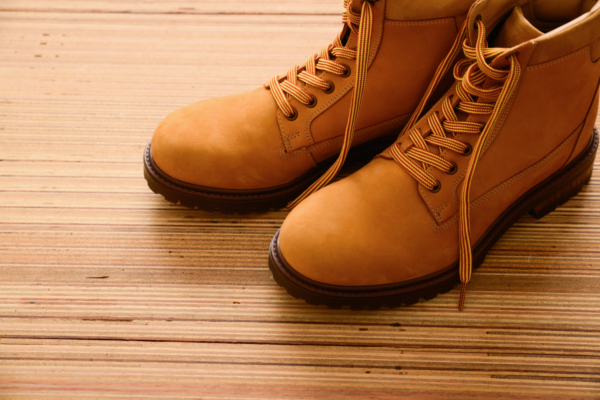
Many people tend to store unworn shoes in closed shoe cabinets or storage units, but experts warn that doing so in winter can lead to moisture and unpleasant odors, especially for shoes that have become wet due to rain or snow.
According to a report by the British publication “Daily Express,” storage experts caution that the way shoes are stored in winter can quietly cause moisture problems and lingering odors even long after the cold months have passed.
Adam Oakley, a storage expert from the UK’s Door to Store mobile storage company, pointed out that the biggest mistake people make when storing shoes in winter often occurs at the entrance of their homes.
Oakley stated, “The most common places people store shoes in winter are actually the worst places. Dampness and unpleasant odor often start to breed in closed hallway cabinets and storage units under stairs.”
While storage units under stairs may seem convenient because they are near the door and out of sight, during winter, these areas are usually cold, damp, poorly ventilated, and prone to moisture. When wet shoes are placed inside, moisture quickly accumulates.
Every time wet shoes are placed in a closed storage unit, it is like adding moisture to a space where it cannot dissipate. Over time, this trapped moisture has nowhere to go.
Shoes absorb rainwater, snowmelt, puddles, and even sweat. The warm, damp environment promotes bacterial growth and produces unpleasant odors, which may not be easily detectable until they spread to hallways, carpets, and nearby rooms.
Additionally, damp shoes can damage floors and furniture, leading to warped wood, damp carpet padding, or the growth of mold inside cabinets.
Despite many people attempting to address these issues by using plastic containers or baskets, Oakley warns that these methods often worsen the situation.
He explained, “Plastic containers trap moisture, while fabric storage baskets absorb moisture. Stacking shoes together hinders their drying process, leading to a vicious cycle of dampness and odors.”
The solution to these problems is simple: air circulation and sufficient space. Shoes should be placed on open shoe racks near the entrance, allowed to completely air dry before storage, and kept separate from each other.
Oakley added, “Even just airing them out for a few hours can make a big difference.”
According to a report by the Australian Broadcasting Corporation (ABC), people remove their shoes at the entrance for various reasons. In some cultures, removing shoes before entering a home is a sign of respect. Some people prefer to leave shoes outside to keep the interior clean.
Mark Patrick Taylor, Chief Environmental Scientist of Victoria and Honorary Professor at Macquarie University, emphasized that shoe soles often carry dirt, heavy metals, chemicals, and even feces. For cleanliness and hygiene reasons, he strongly advocates keeping shoes outside.
However, Taylor noted that storing shoes indoors, such as on a shoe rack inside the door, can help prevent mold, moisture, and even problems like spiders crawling into the shoes. Thus, it is not always necessary to leave shoes outside.
Jenny Velakoulis, the second-generation owner of a leather repair shop in Melbourne, often repairs and maintains leather shoes and handbags for customers. She warned that leaving shoes in damp areas for extended periods can easily foster mold growth.
To prevent such issues, waterproofing is crucial. After shoes get wet, it is essential to ensure they are thoroughly dried before storage. “If you plan to leave your shoes at the entrance, waterproof them,” she emphasized.
Taylor mentioned that he places items prone to mold in warmer areas of his home. “People can also consider other ways to prevent mold in their homes, such as ensuring proper ventilation, opening windows, or using a dehumidifier.”
He suggested, “Mold tends to thrive in poorly ventilated, slightly damp areas. If there’s no dehumidifier, using the dry mode on air conditioners can also help.”
Velakoulis takes great care of her shoes and stores them in shoe boxes at home. For leather shoes and boots, she recommends using wooden shoe trees, foot-shaped supports that can be inserted inside the shoes. These devices help remove moisture from shoes, maintain their shape, and extend their lifespan.
Another maintenance tip is to avoid wearing the same pair of shoes constantly. Continuously wearing the same pair of shoes leads to a buildup of sweat, ultimately damaging the shoe liners.
She suggested that with proper care, a good pair of leather shoes or boots can last for decades or even longer.