
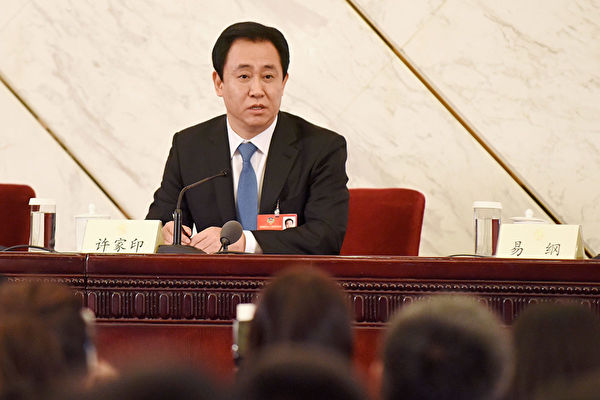
On April 29, according to information from the capital market, it was revealed by the liquidators of China Evergrande that Chairman Xu Jiayin plans to refuse to disclose details of his assets, a decision that could complicate the process of Evergrande’s liquidation for repaying creditors. Analysts believe that Xu Jiayin is playing a delaying tactic.
The liquidators’ representative lawyer stated at a hearing held at the High Court in Hong Kong on April 29 that Xu Jiayin expressed his intention in a response submitted to the court on April 23. Xu Jiayin’s representative lawyer present at the hearing did not refute the liquidators’ claims.
Controlling nearly 60% of China Evergrande’s shares, Xu Jiayin’s clarification of related assets is crucial for the liquidation process. The liquidators advocate for an early resumption of the hearing, while Xu Jiayin’s lawyers requested the court for more time, citing the complexity and sensitivity of the case.
The news of Xu Jiayin planning to refuse to disclose details of his assets has garnered attention and sparked discussions in the market.
An article from the tech sector creator, known as “Tech Show,” suggests that Xu Jiayin’s delaying tactics are aimed at buying time for asset transfers.
The article points out that while the liquidators are eager to move the hearing forward, Xu Jiayin’s legal team has managed to delay the trial until after June 30 under the pretense of the case being complex and sensitive. This maneuver is akin to rubbing salt in the wounds of creditors. Instead of hoping for Xu to honestly disclose the whereabouts of the assets, he has opted to stage a play of “silence is golden,” dragging Evergrande’s messy debt debacle further into a deadlock.
With debts amounting to 2.4 trillion Chinese yuan, Evergrande’s debts involve a plethora of institutions such as banks, trusts, and suppliers. Moreover, numerous homeowners who purchased Evergrande’s properties are now left in uncertainty as their houses remain unfinished, causing financial losses and a negative societal impact.
After Evergrande’s collapse, construction projects around the country have been halted, leaving many workers unpaid and facing uncertainties. The buyers of pre-sold properties are in limbo, unable to get refunds for down payments or bank loans, adding immense pressure. These debts represent hard-earned money from ordinary people.
The article by “Tech Show” highlights that not only have creditors been deprived of their hard-earned money, but also the refusal to provide an asset inventory exacerbates the situation for those trapped as creditors.
Banks, suppliers, and commoners who entrusted Evergrande with their money are now witnessing projects left unfinished and themselves transition from creditors to debtors.
While 27 unfinished projects have been taken over by state-owned enterprises, the remaining 11 properties facing funding shortages are ticking time bombs that could potentially trigger larger social issues at any moment.
The crux of the current situation lies in the 60% ownership of Evergrande held by Xu Jiayin. The value of these shares remains uncertain. Once valued at hundreds of billions during Evergrande’s peak stock price years ago, the stocks have plummeted in value, presenting a challenge for the liquidators to raise sufficient funds by selling shares to repay debts.