
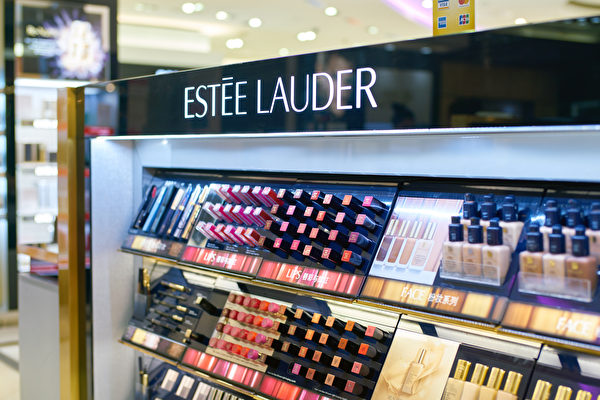
On Monday, August 19, the well-known cosmetics company Estée Lauder is expected to report annual profits and sales below expectations, citing a slowdown in demand from the Chinese market affecting the global beauty industry.
Estée Lauder stated in a release on Monday that they anticipate a decrease of 1% to an increase of 2% in annual sales. Analysts had projected a growth of 6.4% based on data from the London Stock Exchange (LSEG).
According to Bloomberg’s survey, analysts predicted revenue to grow by 5.6% to $16.5 billion. Estée Lauder mentioned that sales of high-end beauty products in China continued to decline, reflecting a “persistently subdued consumer sentiment” in China.
The manufacturer of La Mer expects adjusted earnings per share for the year to range between $2.75 and $2.95, falling short of analysts’ expectation of $3.96 per share. La Mer is a cream brand under the Estée Lauder group.
Despite items like lipstick and perfume, considered to be “affordable luxury” items thought to be less affected by economic downturns, experiencing a dip in demand as well, Estée Lauder foresees a continued decline in the high-end beauty product market in China. Meanwhile, their European counterpart, L’Oréal, emphasizes the lack of rebound in that region.
CEO Fabrizio Freda stated in a release, “While our outlook for sales and profit in the 2025 fiscal year is disappointing, we have made significant progress this year in implementing a strategic reset.”
Estée Lauder’s stock price fluctuated slightly lower in early trading. Since reaching a historic high of $374.20 in January 2022, the stock has dropped nearly 75% due to sustained inflation and soft demand for beauty products led by China.
Bloomberg reported the company is facing financial difficulties resulting from a drastic drop in sales at duty-free shops located in travel destinations in China and other parts of Asia. The recovery of the travel industry post-pandemic has been slower than anticipated by Estée Lauder executives. Analyst Olivia Tong from Raymond James wrote in a recent research report that China accounted for nearly 30% of Estée Lauder’s sales at its peak.
68-year-old Freda is set to retire in June, having been appointed as Estée Lauder’s CEO in 2009 where he expanded the company’s skincare portfolio and introduced Korean skincare brand Dr. Jart+ and several brands under Deciem, the parent company of The Ordinary. Leading the company through price increases to offset rising costs and navigating supply chain barriers during the pandemic, he also implemented a turnaround plan including job cuts last year.
Estée Lauder is not the only Western multinational corporation facing challenges in subdued domestic demand in China; companies like Volkswagen, AB InBev, and L’Oréal have all sounded alarms. They’ve cited a significant impact on their performance in the first half of the year due to subdued consumer confidence in China.
On July 30, L’Oréal reported a decline in sales of lipstick and skincare products in China in the second quarter, putting pressure on the company’s growth as the Chinese market continues to pose challenges.
“The operational conditions in the Chinese ecosystem remain challenging,” said L’Oréal, adding that despite improvements in duty-free retail in offshore destinations like Hainan in the first half of the year, the beauty market in China saw negative growth in the second quarter due to persistently low consumer confidence and a high comparison baseline.
The weak Chinese market has stressed the luxury division of the company, though it still achieved a 2.8% year-on-year growth in the second quarter, driven by double-digit growth in North America and other emerging markets.
Stifel analyst Rogerio Fujimori noted, “So far, L’Oréal has successfully navigated the sluggish Chinese beauty market by achieving above-trend growth in other areas, but we recognize that the long-term softness of the Chinese market remains a major risk.”
Moody’s analysts commented on the current state of the Chinese economy, saying, “Uncertainty about disposable income prospects, coupled with declining home prices leading to further reduction in household wealth, has resulted in decreased non-essential spending or a shift towards value-for-money products.”
(This article referenced reports from Reuters)