
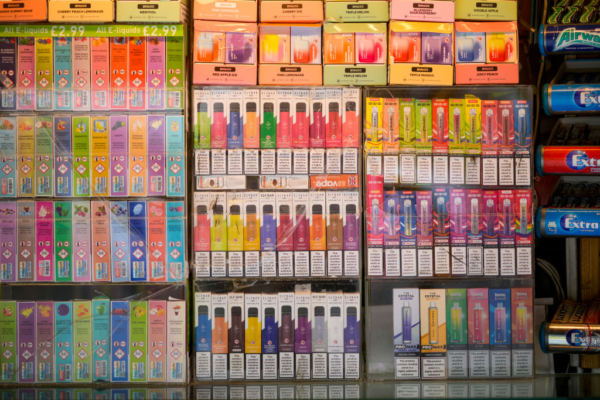
On April 29, 2026, in New York, Attorney General Janice Leesha led a bipartisan initiative, uniting 24 state attorneys general across the United States and the New York City government to pressure mainstream payment institutions to jointly curb the illegal sale of electronic cigarette products, particularly targeting the circulation of these products among adolescents.
The joint effort targeted several major financial and payment companies, including American Express, Capital One, Citigroup, Mastercard, Visa, as well as PayPal, Stripe, Sezzle, and Block, Inc. (which includes services like Square, Cash App, and Afterpay).
In her statement, Janice Leesha pointed out that many e-cigarette retailers are currently using mainstream payment systems to market products that should not be on the market to minors, creating a difficult-to-monitor gray trading chain. “If payment institutions engage in transaction processing, they are essentially becoming part of this sales chain,” she emphasized, stating that relevant companies have the ability and responsibility to prevent such behaviors.
According to the regulations of the U.S. Food and Drug Administration, all e-cigarette products must be authorized to be legally sold in the United States. Currently, only 41 products have been approved, limited to tobacco and menthol flavors, meaning that the vast majority of flavored e-cigarette products on the market are illegal. Unauthorized products are considered “counterfeit products” and are not allowed for interstate sales or transportation.
Furthermore, the Prevent All Cigarette Trafficking (PACT) Act sets strict regulations on online sales, including age verification, registration obligations, and compliance with local laws. However, investigations in multiple states have found that most online sellers have not implemented relevant requirements, and even lack the most basic measures to prevent underage purchases. Additionally, some sales practices violate state and local laws, such as New York’s ban on flavored e-cigarette sales and some states’ regulations prohibiting direct product shipments to consumers.
Although states have filed lawsuits against illegal businesses and transferred them to federal agencies such as the Bureau of Alcohol, Tobacco, Firearms, and Explosives for non-compliance listings, the alliance believes that relying solely on enforcement is not enough to solve the problem and that intercepting transactions at the source through payment processors is a crucial step.
Therefore, the alliance is urging relevant companies and governments to convene meetings to discuss specific solutions, including prohibiting illegal businesses from using their payment networks. Janice Leesha emphasized that the cooperation between the public and private sectors has been effective in combating illegal tobacco sales. For example, in 2005, New York State cooperated with credit card companies to successfully curb online illegal tobacco transactions, demonstrating that a similar model can be applied to the issue of e-cigarettes.