
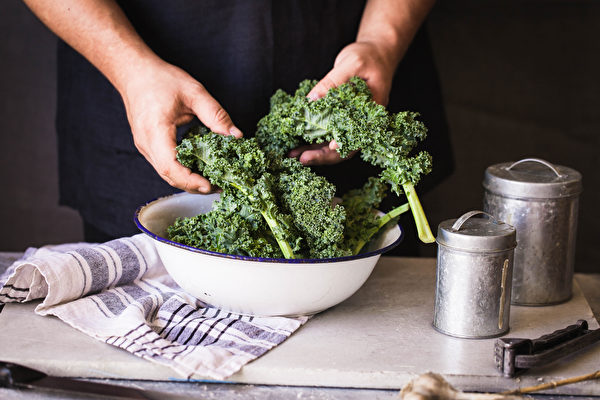
Recently, Sam’s Club launched potted kale plants for sustainable picking, with a tempting slogan “plant once, eat for a year” and a price of 29.9 yuan (RMB). This initiative has caused a frenzy among various brands in mainland China, leading to a skyrocketing price of kale, which has surged by 30 times compared to last year. This news has gained traction and attention on social media.
Sam’s Club, also known as “Sam’s” or Sam’s Supermarket, is a warehouse-style store under the American retailer Walmart, with over 63 stores in mainland China as of December 31, 2025.
According to a report from “21st Century Business Herald,” major tea drink brands have all introduced kale-based beverages. Leading the trend, Heytea launched its kale slimming tea which sold over 3.5 million cups in the first month and surpassed 100 million cups in sales within a year of introducing the “Super Plant Tea” series, consuming nearly 3 million kilograms of fresh kale. Following suit are coffee brands like “Nova” and “Coodie.”
“Hema” introduced kale oat cups, “White Elephant” produced kale light noodles, “Sanquan Foods” launched kale cakes… a variety of kale-related products have emerged.
At the same time, the price of kale has soared from 0.8 yuan per 500g in 2024 to the current 20-30 yuan per 500g, marking a whopping 30-fold increase.
Why has kale become so popular? CCTV Finance reports that kale contains only 30 calories per 100 grams, low in calories, high in fiber, and rich in vitamins. Along with social labels like “celebrity endorsed” and “top health food,” it has become a social currency for showcasing a healthy lifestyle attitude.
Senior national food inspector Wang Silu stated that kale is rich in dietary fiber, which helps lower blood sugar, reduce blood lipids, promote intestinal movement, and relieve constipation, but it does not possess miraculous effects. Juicing kale discards most of the dietary fiber, and claims like “slimming effects” are baseless and merely marketing tactics.
Another expert mentioned that kale juice itself is low in calories and aids in weight loss, but adding high-calorie ingredients or excessive consumption may lead to exceeding daily calorie intake, potentially causing weight gain.
On a previous report, it was stated that every 100g of edible portion of kale contains about 4.1g of dietary fiber, which is relatively high among vegetables, and it has a protein content of 3.3%. Furthermore, kale has a very low calorie count, making it suitable for individuals looking to lose weight.
Recently, a self-media platform tested the sugar content in various commercially available kale beverages. The results revealed that even with the lowest sweetness option, the sugar content in a single cup generally ranged around 12 grams, with individual products exceeding 40 grams of sugar per cup.
It is important to note that the sugar added in beverages is often free sugar (such as cane sugar, fruit syrup), unlike the natural sugar found in whole fruits. Free sugar, due to the lack of dietary fiber’s buffering effect, is rapidly absorbed by the body, causing a quick spike in blood sugar levels. Prolonged excessive intake may exacerbate insulin resistance, especially harmful for individuals with high blood sugar and diabetes.
Moreover, when filtering kale juice to remove residue, a significant amount of insoluble dietary fiber is lost, significantly diminishing kale’s original satiety and bowel movement promotion effects.