
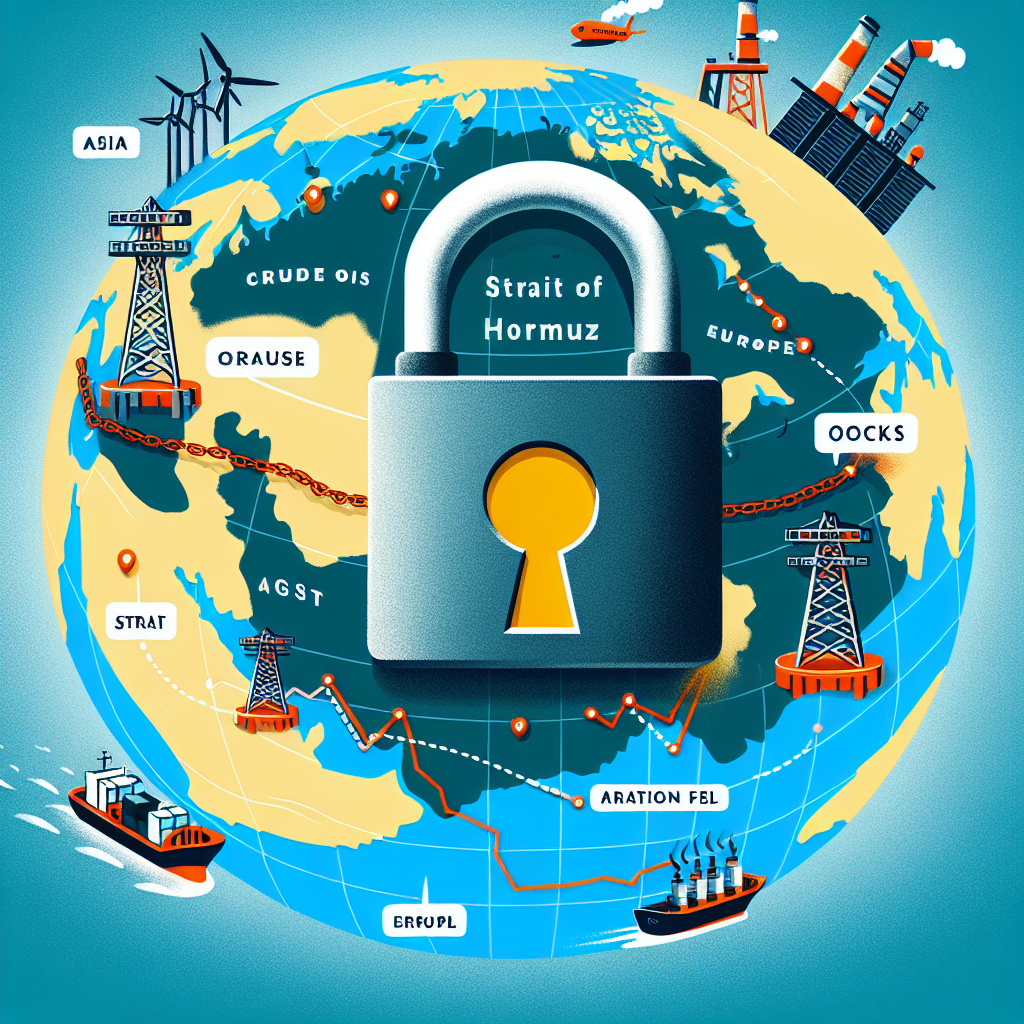
The ongoing war in Iran has led to the blockade of the vital waterway, the Strait of Hormuz, putting countries in Asia and Europe in a race to purchase US crude oil, natural gas, and aviation fuel. This frenzy has significantly boosted US energy exports. According to data from the US Energy Information Administration (EIA), last week saw record-high exports of US crude oil and petroleum products, reaching nearly 12.9 million barrels per day.
Data from the ship tracking company Kpler also shows a significant increase in US liquefied natural gas exports, hitting a historic high last month.
Currently, there are no signs of this export boom slowing down. As of Wednesday this week (April 22nd), over 60 empty supertankers are heading towards the Gulf of Mexico, approximately three times the level before the Iran conflict erupted. This indicates that US oil exports are likely to continue to rise in the coming months. Additionally, the US has become an important source for products like aviation fuel and cooking fuel, which have been severely disrupted by the war.
Asia heavily relies on fuel from the Middle East, with countries like Japan importing almost 95% of their oil from the region. In response to Middle East conflicts, some countries are seeking closer ties with US suppliers.
Kpler’s data shows that US crude oil and LNG exports to Asia in March and April this year increased by approximately 30% compared to the same period last year.
In March, US and Japanese officials co-hosted the “Indo-Pacific Energy Ministerial Meeting” in Tokyo. During the event, US companies and Asian investors signed energy agreements worth $56 billion.
Japanese Minister of Economy, Trade and Industry, Akira Amari, stated that Japan heavily relies on imports from the Middle East for most of its oil and natural gas. This heavy reliance on a single region poses significant risks. Therefore, both Japan and the US agreed to further deepen cooperation in diversifying crude oil sources, LNG, and nuclear energy.
US Interior Secretary Doug Burgum, who attended the meeting, remarked, “We need to sell energy to our friends and allies so they are not reliant on adversaries or sources of energy that could be controlled.”
Due to infrastructure mismatches, Asian countries still face limitations in processing US energy. Asian refineries are designed to process higher density and sulfur content crude oil from the Middle East, rather than light crude from the US. While refineries can process light crude, the efficiency and profit margins are not as high as with heavy crude.
Apart from Asia, Europe is also in need of purchasing US LNG to supplement its natural gas storage. Previously reliant on aviation fuel imports from the Middle East, Europe has now turned to the US for this product as well.
However, the question of whether countries will continue to purchase energy from the US after the end of the Iran conflict to diversify energy supplies remains a key concern.
Since the outbreak of the Iran conflict on February 28th, Iran has fired at passing ships in the Strait of Hormuz and claimed to have planted mines in this vital waterway, nearly halting maritime traffic. Over 10 million barrels of oil and oil products – about 10% of the global supply – are stuck in this crucial passage daily.
US President Trump has condemned Iran’s actions as global extortion. With the Strait of Hormuz blockaded, many tankers are now heading to the US to load oil.
President Trump stated on April 19th, “In fact, many ships are now sailing to Texas, Louisiana, and Alaska to load cargo, all thanks to the Islamic Revolutionary Guard of Iran. They always want to play the ‘tough guy’ role!”
Prior to Trump’s remarks, shipping traffic images showed numerous empty oil tankers heading towards the US. Shipping and commodity analyst Ayuso stated on social media platform X on April 9th, “US crude oil exports are about to experience explosive growth.”