
Entering into 2026, less than two months have passed, and more than twenty car companies in China have already rolled out seven-year low-interest loan services to attract customers. Industry insiders believe that this move by car companies is mainly due to high inventory levels, putting pressure on the overall car market.
According to a report by “21st Century Business Herald” on February 25, on the 25th, BYD announced the “7-year low-interest” policy on Haiwainet, with daily payments starting as low as 29 yuan (RMB). On the 24th, Zhiji Auto launched a “7-year 0 down payment, 3-year 0 interest” financing plan, with cash bonuses as high as 23,000 yuan.
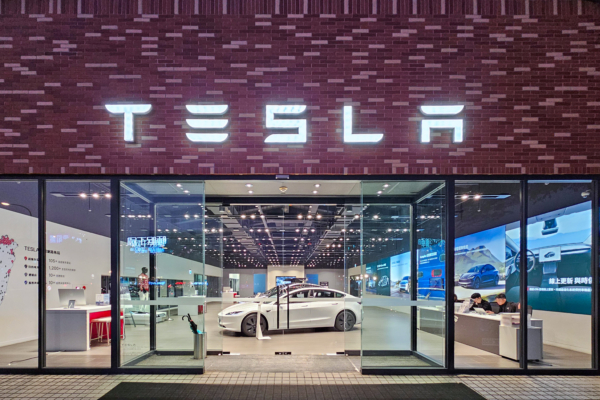
Reports indicate that Tesla was the first to introduce the 7-year ultra-low interest car purchase plan. Earlier this year, Tesla introduced a 7-year ultra-low interest option for buying a Model 3 or Model Y, with an annual interest rate of less than 1%. The down payment for buying a Model 3 is 79,900 yuan, with monthly installments as low as 1,918 yuan; for the Model Y, monthly installments can be as low as 2,263 yuan, and daily payments as low as 74 yuan.
Subsequently, several car companies followed suit. According to a report by Kuai Technology on February 25, as of February, more than twenty car companies such as Xiaomi, Li Xiang, Xiaopeng, Changan Blue, Great Wall Haval, Dongfeng Yipai, GAC Aion, NIO, and LeDo have introduced the same service. Dongfeng Nissan even introduced an “8-year ultra-long-term low-interest” plan, with daily payments ranging from 27 yuan to 81 yuan depending on the car model, on a zero down payment basis.
Regarding car companies offering seven-year low-interest loan services, Kuai Technology cited industry insiders’ analysis, saying that car companies significantly reduce monthly payments through extended periods with low interest rates or subsidies, which can quickly drive orders and capture the market. The insider stated, “The overall car market is under pressure, inventory levels are high, and directly lowering prices can easily upset existing car owners. Financial subsidies become a more gentle and flexible promotional tool.”
However, some industry experts also point out that pure electric car models have low resale value, with a resale rate of only about 42% after 3 years, and extended loans may lead to “car loan defaults”. Additionally, the longer the loan period, the higher the risk financial institutions face.