
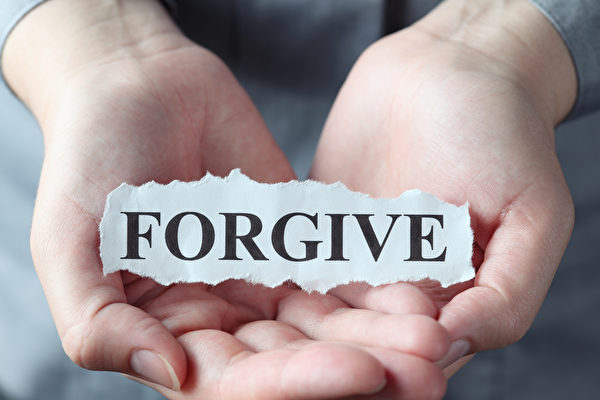
Self-forgiveness is often understood as taking responsibility for one’s own wrongdoings and letting go of the associated negative emotions. But why do some people find it difficult to forgive themselves and continue to feel guilty for years? Let’s now delve into what psychologists have to say about this.
American clinical psychologist Vinita Mehta wrote in Psychology Today that a recent study on self-forgiveness may help individuals confront their personal faults and learn how to forgive themselves.
To explore why some people struggle to forgive themselves, a research team led by psychologist Lydia Woodyatt from Flinders University in Australia conducted a study. In this study, the researchers recruited 80 participants and divided them into two groups: one group could forgive themselves, while the other group could not. The participants’ perceived wrongdoings included betrayal, neglect, infidelity, failure to meet their own standards, causing harm to others’ emotions, and more.
The researchers asked each group of participants to recount an example of a mistake they could forgive themselves for and one they could not. Subsequent questions touched on why they felt the need to forgive themselves, which methods were effective, and their feelings about the mistakes during the interviews.
Based on the participants’ responses, the researchers identified four main themes, summarized as follows:
(1) Present and Past:
Individuals who struggle to forgive themselves often find that, even as time passes, their mistakes continue to haunt them. Reflecting on past events and bearing the consequences of past mistakes, such as financial losses, also make self-forgiveness more challenging.
In contrast, those who can forgive themselves tend to focus more on the present and future. They have less preoccupation with past events and intense emotions.
(2) Difficulty in Accepting Mistakes and Forgiving Oneself:
Participants who find it difficult to accept responsibility for their mistakes also struggle to forgive themselves. If the events involve caring for others (such as elderly family members) or personal victimization (such as abuse), the participants find it harder to let go of negative emotions.
Conversely, those who can practice self-forgiveness are able to acknowledge personal responsibility and accept their shortcomings. One participant stated, “For me, self-forgiveness basically means I can accept and understand my flaws and shortcomings without blaming myself.”
(3) Identity:
Participants who have difficulty forgiving themselves struggle to reconcile their behavior with their “true” or “ideal” selves. They do not believe they are fundamentally “good” and find self-forgiveness impossible in situations where mistakes cannot be rectified. They feel frustration, anger, regret, and self-disgust.
On the other hand, those who practice self-forgiveness can acknowledge their flaws and harmonize their past selves with their present selves.
(4) Alleviating and Overcoming Stress:
Although both groups of participants employ similar strategies to deal with self-blame, such as confiding in friends, undergoing psychological therapy, and staying busy, the motivations behind these strategies differ.
For those who cannot forgive themselves, these strategies help them release the emotional and moral burdens of their actions and avoid negative emotions and memories. However, for those who can forgive themselves, these strategies aid in reflecting on their behavior and overcoming the issues resulting from their actions.
Stanford University School of Medicine revealed the benefits of self-forgiveness on its website. Carole Pertofsky, Honorary Director of Student Health Services, stated that research has shown that individuals who learn self-forgiveness have better psychological and emotional health, a more positive attitude, and healthier interpersonal relationships. A related study found that self-compassion is closely linked to higher success rates, productivity, focus, and concentration.
Pertofsky said, “People who practice self-forgiveness understand that the lack of self-forgiveness can lead to suffering. They treat themselves kindly, thereby reducing anxiety and related depression.”
In contrast, individuals who have high expectations of themselves are more prone to experiencing severe negative emotions, stress, and pessimism.
Bestselling author and clinical psychologist Robert Puff previously wrote in Psychology Today that when we forgive ourselves, we not only free ourselves from the burden of the past but also create a ripple effect that benefits those around us. Our capacity for forgiveness strengthens, allowing us to mend broken relationships and build stronger connections with others.
Moreover, self-forgiveness empowers us to embrace our full potential. It liberates us from self-doubt and fills us with confidence and courage to pursue our dreams.
Puff noted that we are all fallible human beings, capable of making significant mistakes and achieving remarkable growth. Choosing self-forgiveness sets us on a path of transformation, not only for ourselves but also for the world around us.
It is worth mentioning that in addition to forgiving ourselves, people should also choose to forgive others. Holding onto anger from others’ hurtful actions only harms one’s own well-being. On the contrary, choosing forgiveness benefits health in various ways, such as improving cardiovascular health, alleviating anxiety or depression, and aiding in cancer prevention.