
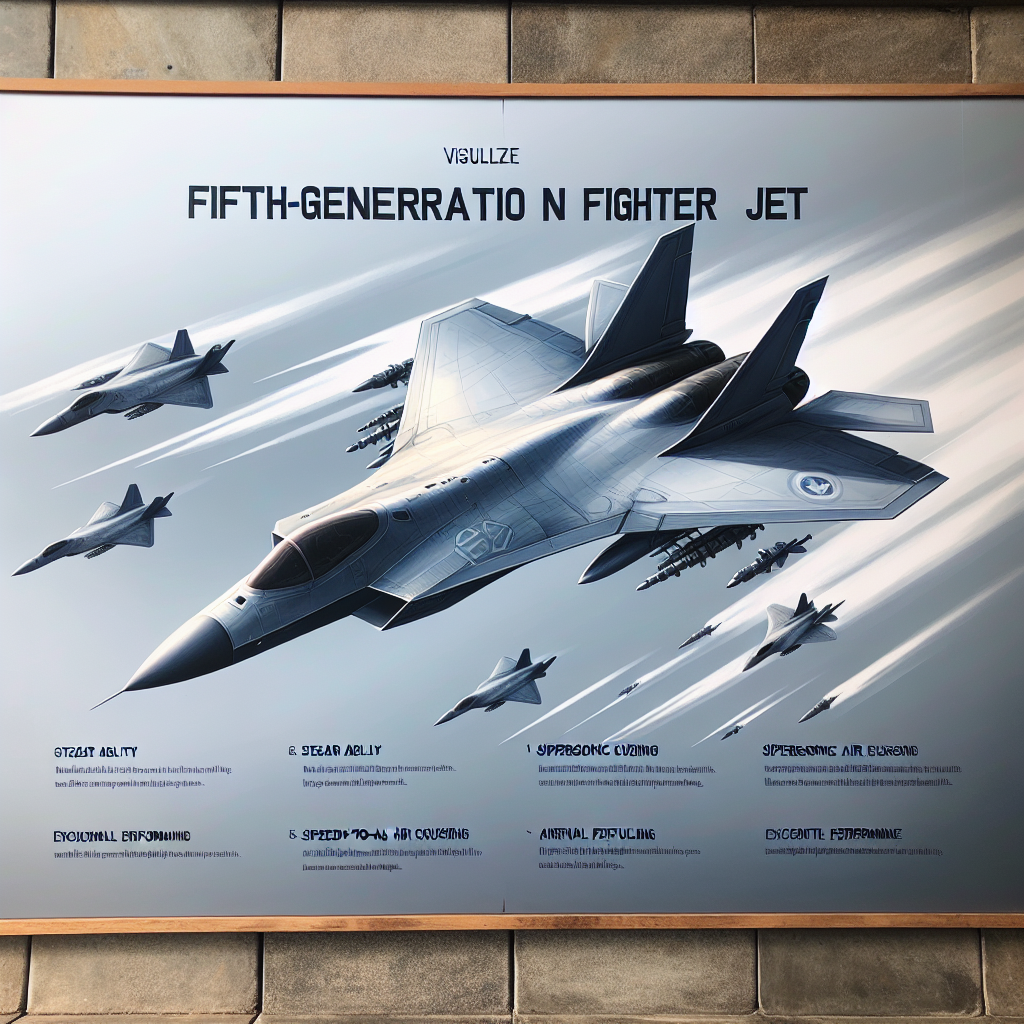
The US fifth-generation fighter jet F-22 Raptor is acclaimed as the most lethal aircraft, thanks to its extreme stealth capabilities, supersonic cruising, and outstanding air-to-air combat performance. Additionally, the F-22 is the world’s most capable fighter jet for aerial refueling, as the added range obtained through aerial refueling significantly enhances its strategic and tactical capabilities.
Since the establishment of the first aerial refueling squadron by the US Air Force in 1948, aerial refueling technology has become an indispensable part of the US Air Force’s strategic operations. The emergence of jet fighters has made aerial refueling for these fuel-guzzling aircraft more essential than ever before. Even the latest fifth-generation stealth fighters still require support from aerial refueling aircraft as they continue to push the limits of range.
By 2025, which fighter jet can maximize the use of aerial refueling technology to enhance combat capabilities and achieve air superiority on the battlefield? The answer is Lockheed Martin’s F-22 Raptor, the world’s first fifth-generation fighter and the top predator in the tactical airspace. Despite Lockheed Martin introducing the F-35 Lightning II joint strike fighter, the Raptor still maintains an absolute advantage.
The F-22 primarily executes air-to-air and air-to-ground combat missions. Equipped with retractable refueling probes located on the right front of the fuselage for aerial refueling with tanker aircraft, the F-22 mostly coordinates with US Air Force KC-135, KC-10, or the new KC-46 tankers using the hose-and-drogue refueling system. While the tanker aircraft itself is not stealthy, the F-22 maneuvers tactically during refueling to minimize radar exposure risks and fully exploit its high-speed and stealth advantages.
According to reports from The War Zone and other media outlets, the F-22 is one of the few stealth fighters with aerial refueling capabilities and one of the only three active or under development aircraft equipped with stealthy external fuel tanks. The combination of aerial refueling capabilities and extended range through external fuel tanks greatly enhances the strategic and operational value of stealth fighters on the frontlines and at command centers.
The F-22’s aerial refueling capability is a crucial component of its global combat capability, giving it a strategic airlift capability beyond that of conventional fighters.
The F-22’s powerful close-range air combat and beyond visual range air-to-air strike capabilities also manifest in its vital role as an intelligence, surveillance, and reconnaissance (ISR) node, providing nearly equal strategic value at the strategic level. With its stealthy external fuel tanks and tanker support, the Raptor can cruise supersonically across oceans or continents. The ability to leave the stealthy tank onboard after aerial refueling allows it to penetrate heavily defended airspace, loiter for extended periods, gather intelligence, and coordinate with non-stealth forces in combat.
Despite its cost limitations, the US Air Force has opted for a “survivable air refueling” system, which may include drones such as the Navy’s MQ-25 Stingray, enhanced existing tanker aircraft, and optionally crewed, more efficient platforms. This decision is primarily due to development schedules and budget constraints, rather than a decrease in mission value.
One intriguing long-standing technique is “buddy refueling” between fighter jets. In this method, a fighter jet carries an external “aerial refueling stores” (ARS) pod and flies alongside combat aircraft armed with more weapons, providing rapid aerial refueling before they enter enemy territory in the final stages of their mission. The MQ-25 Stingray drone can perform a similar mission using an unmanned platform instead of manned operation.
Aircraft can take off fully loaded with heavy weapons and minimal fuel, then refuel in the air using buddy refueling to “top up” their tanks. This method overcomes weight restrictions at airfields, allowing for the maximum number of weapons on long-range strikes. For naval aviators, this increases carrier sortie rates and operational flexibility, crucial as carriers are often targeted by enemy long-range missiles.
“Buddy refueling” also enables flexible combinations of different aircraft within strike formations. An F/A-18 Hornet fighter equipped with an ARS pod, also known as a “strike tanker,” can serve as a mini tanker for other F/A-18s, extending the operational radius of the entire formation and reducing reliance on main tanker aircraft. It allows fighter jets to maintain their operational position or reach distant targets beyond their internal fuel range, prolonging their endurance without relying on large, vulnerable dedicated tanker aircraft.
Fifth-generation fighters rely on stealth and situational awareness, while fourth-generation jet-powered aircraft leverage buddy support to expand operational reach and mount more aggressive attacks against adversaries, maintaining competitiveness in modern threat environments.
The enhanced survivability of the “strike tanker” can reshape combat tactics, shortening the distance needed for refueling before entering enemy airspace, a significant advantage in large-scale theatres of operation. While fighters equipped with such auxiliary fuel tanks may not match dedicated tanker aircraft, the advent of stealthy external fuel tanks may make this a possibility.
(Certain parts of this article are referenced from reports by simpleflying website)