
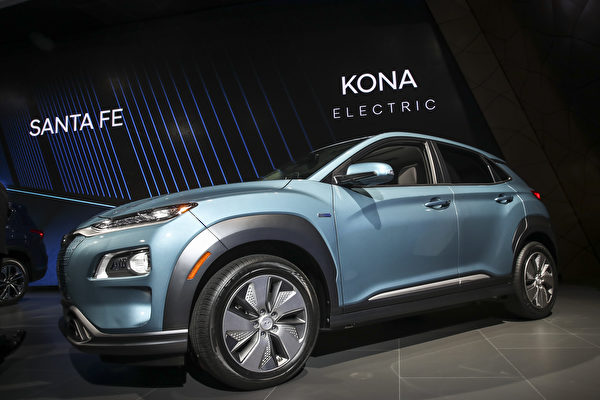
The debate over which type of vehicle, electric cars or gasoline cars, is more durable has always been a controversial topic. While each type of vehicle has its own strengths and weaknesses, this usually depends on factors such as driving range, vehicle type, driving habits, road conditions, among others.
Electric cars and traditional gasoline cars, apart from the differences in their power systems, share almost the same automotive components, such as body structure and chassis structure. Gasoline cars consist of an engine, gearbox, and various pipes (oil, water, gas), while electric cars are composed of a motor, battery, and control system. Therefore, when comparing the lifespan of these two different vehicle types, it mostly depends on the longevity of their power systems.
According to a report by gobankingrates, Ontario Auto Center, headquartered in California, stated that electric cars have “far fewer moving parts” compared to gasoline-powered cars, meaning there’s no need to worry about oil changes or maintaining exhaust systems.
However, electric cars are still relatively new products compared to gasoline cars that have been developed for hundreds of years. Although the driving range of electric cars has been increasing in recent years, the stability of a vehicle still needs time to prove.
Ontario Auto Center estimates that under regular use, the average lifespan of a gasoline-powered car is about 150,000 miles, or 8 years, while electric cars can have a lifespan of up to 200,000 miles, approximately 12 years, with some models lasting even longer. So, what influences the lifespan of a car and which electric cars have a longer lifespan compared to gasoline-powered cars?
Like any vehicle, the expected lifespan of an electric car partly depends on maintenance. Here are some tips provided by Ontario Auto Center to ensure that electric cars remain in good condition and have a longer lifespan:
– Monitor temperature closely: Avoid extreme hot or cold temperatures, as they can have a negative impact on battery performance. On hot days, park the car in a shaded or cool area, while on cold days, park it in a heated garage.
– Avoid fast charging: Fast charging is convenient but can burden the vehicle’s systems as the battery quickly charges. Use fast charging only when there are no other options.
– Maintain moderate battery levels: Most electric car manufacturers recommend not letting the battery fully deplete or charge to 100%. Ideally, keep the battery level between 20% and 80% to prolong battery life.
The number of charging cycles is one of the factors affecting the lifespan of an electric car battery. Too many charging cycles can shorten the battery’s lifespan. Therefore, users should reasonably schedule charging times and frequencies to avoid overcharging or incomplete charging.
Similarly, proper maintenance is key to keeping gasoline-powered cars in good condition. This includes regular oil and filter changes, maintaining proper tire pressure, paying attention to maintenance warnings on the dashboard, and having a trusted mechanic inspect the vehicle regularly for potential faults.
With proper maintenance, the best gasoline-powered cars can last a long time. An analysis by iSeeCars found that at least 20 models have a potential lifespan of at least 230,000 miles, with the Toyota Sequoia leading with a potential lifespan exceeding 296,000 miles. Even conventional gasoline-powered cars should be able to travel 150,000 miles or more on the road.
While these numbers are impressive, some electric cars have even longer potential lifespans. In 2023, TopSpeed ranked the electric cars with the longest lifespan under correct maintenance conditions. Many electric cars can travel at least 300,000 miles, and some may even reach 500,000 miles on the road.
Below are eight affordable electric cars with longer lifespans compared to gasoline-powered cars:
Expected lifespan: Over 300,000 miles
Price: Starting at $32,675
Expected lifespan: Over 300,000 miles
Price: Starting at $30,900
Expected lifespan: Over 300,000 miles
Price: Starting at $27,800
Expected lifespan: Over 300,000 miles
Price: Starting at $41,160
Expected lifespan: Over 300,000 miles
Price: Starting at $39,995
Expected lifespan: 300,000 to 500,000 miles
Price: Starting at $28,140
Expected lifespan: Over 300,000 miles
Price: Starting at $40,630
Expected lifespan: 300,000 to 500,000 miles
Price: Starting at $42,600