
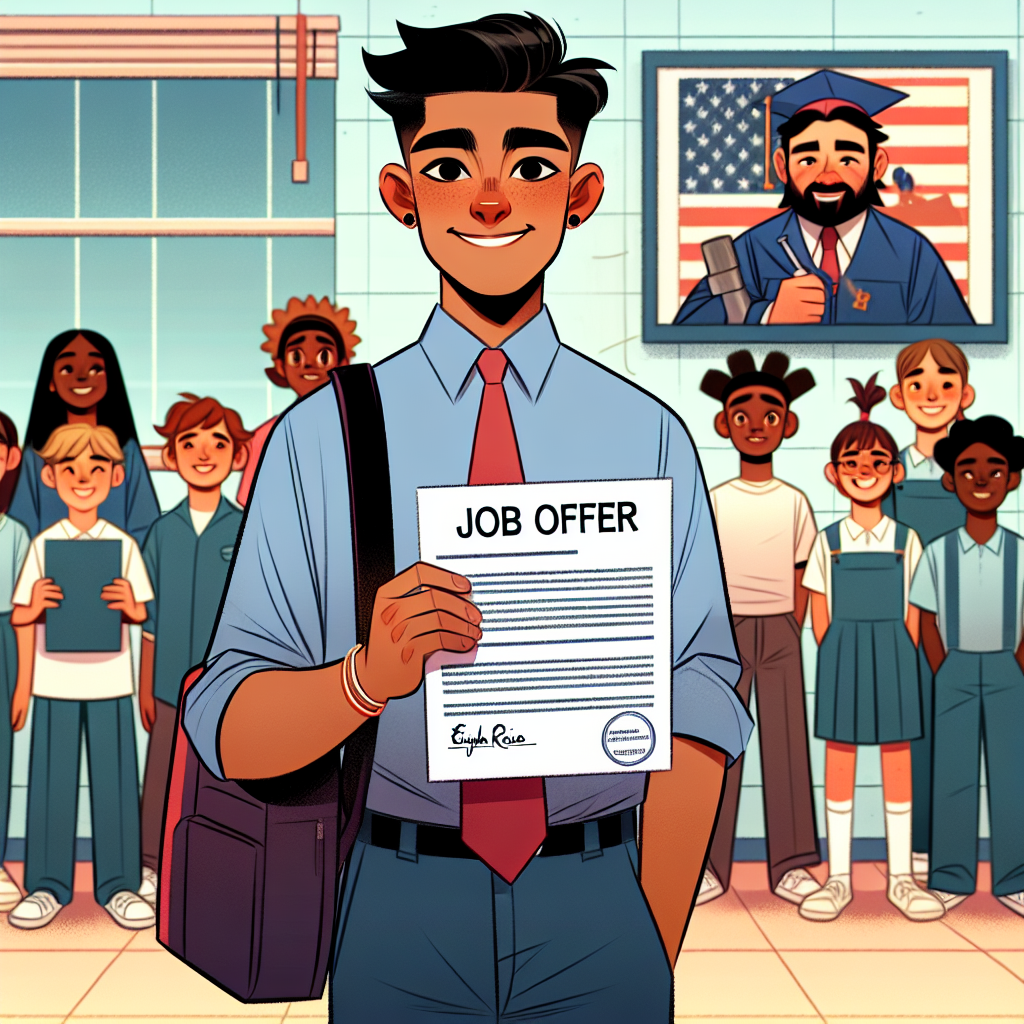
The Wall Street Journal reported on Friday (May 9th) that Elijah Rios, a 17-year-old student at Father Judge Catholic High School in Philadelphia, Pennsylvania, has received a job offer for a welding position with an annual salary of $68,000 before even graduating. This offer includes a $24 per hour wage, fixed overtime pay, paid vacation, and other benefits.
As the baby boomer generation retires, the United States is facing a shortage of skilled workers. More and more companies are actively recruiting high school students and partnering with schools to provide internships and vocational training, allowing students to work part-time while earning credits. Non-profit programs like the “Heavy Metal Summer Experience” offer free summer courses for high school students in welding, plumbing, and other trade skills. SkillsUSA organizes national skill competitions, attracting hundreds of companies in search of talent.
“It’s sometimes overwhelming – one company wants you, another company wants you too,” said Rios. Growing up in the drug and homelessness-plagued Kensington area of Philadelphia, he was determined to change his life. “To be honest, it feels like being an athlete getting offers from all professional teams.”
Joe Williams, the welding course instructor, mentioned that all 24 graduating students from the school’s welding class this year have been hired, with starting salaries exceeding $50,000.
Jenny Cantrill, an 18-year-old, is currently working at Cannistraro, a piping and HVAC company in Boston. After attending a summer camp organized by the company, she became interested in piping engineering and accepted a job offer after graduation, saying, “I had already established this connection.”
Another 18-year-old student, Aiden Holland, was recruited by a defense contractor in New Jersey to work as a nuclear submarine welder, with an annual salary of $75,000. He mentioned that being able to earn a high salary without student loans has surprised many of his peers.
Experts point out that vocational education is being revalued, providing students with high-paying options outside of traditional college paths. However, some caution against overemphasizing technical education and overlooking students’ exploration of other fields and potential.