
As the 2026 FIFA World Cup draws near, several host cities in the United States are facing significant traffic pressure and soaring costs. In addition to the high ticket prices, the transportation costs for fans traveling to the stadiums are also astonishing, with single-game parking fees reaching up to $225, attracting attention.
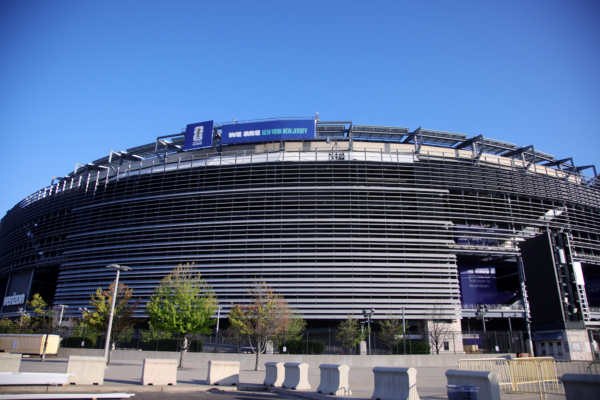
In the New York and New Jersey area, the traffic around the MetLife Stadium, the venue for the matches, is particularly tight. Due to the lack of parking spaces inside the stadium during the matches, nearby parking lots are pricing as high as $225. Officials in New Jersey have warned that public transportation pressure will increase significantly, with NJ Transit round-trip train tickets to the stadium during the World Cup period set to increase to $150, and special line bus tickets will also cost $80.
For affluent fans, high-end alternative options have emerged in the market. Aviation companies like Blade Air Mobility and Wings Air Helicopters are providing helicopter services from Manhattan to the stadium, with round-trip prices for a charter flight for 8 people reaching as high as $30,000, allowing well-off individuals to avoid ground traffic congestion.
The transportation cost issue has sparked controversy between the government and the organizers—the International Federation of Association Football. New Jersey Governor, Mikie Sherrill, stated that the state’s transportation system requires a significant amount of resources to meet the demands of the event, but FIFA refuses to share the related costs, resulting in the necessity to raise public transportation prices.
On the other hand, FIFA responded by stating that in the agreement signed with the host cities back in 2023, it was clearly stated that transportation costs are to be borne by the local authorities, allowing them to charge passengers based on costs, and describing the demand for organizers to cover additional expenses as “unprecedented.”
Similar situations have also arisen in other cities. In another host city, Boston, round-trip train tickets to the Gillette Stadium, the venue for the matches, have been set at $80, much higher than usual; parking fees range from $175 to $270. Despite increasing the frequency of trains, the capacity still struggles to fully meet the demand.
Analysts point out that most large sports stadiums in the United States traditionally rely on private cars for transportation, with relatively inadequate public transportation infrastructure. With enhanced security measures and a surge in foot traffic, the traffic pressure is further exacerbated, becoming one of the significant challenges of this World Cup.
Official estimates suggest that the New York and New Jersey region can generate approximately $3.3 billion in economic benefits, with a total revenue for the United States reaching $30.5 billion. However, how to handle the massive influx of people brought by the World Cup is a challenging task facing governments and organizers across various locations.