
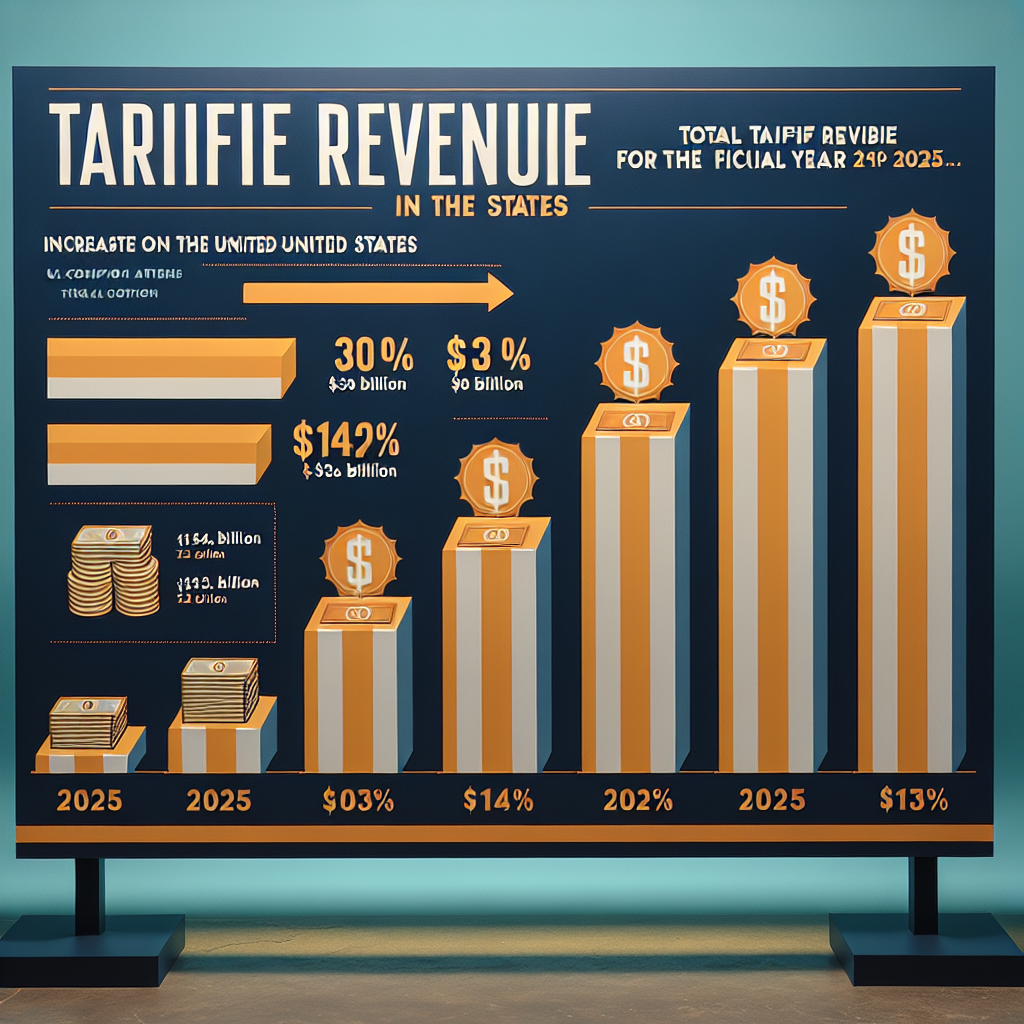
In January, the United States saw a significant increase in tariff revenue, with a growth of 304% compared to the same period in 2025, collecting around $30 billion in tariffs. This brought the total tariff revenue for the fiscal year 2026 to $124 billion.
The increase in tariff revenue helped to slow down the growth rate of the budget deficit. The total government budget deficit in January was approximately $95 billion, which is about a 26% decrease from the same period last year.
As of now, the federal government’s deficit stands at $697 billion, marking a 17% decrease from the same period in fiscal year 2025. Adjusted for calendar effects, the deficit reduction is at 21%.
The annual interest payment in the US currently amounts to $38.6 trillion, with a net interest payment totaling $76 billion for the month, surpassing all other expenditures except for healthcare, social security, and Medicare. So far this fiscal year, the total interest payment has reached $42.65 billion, higher than the $39.22 billion during the same period last year.
With the significant increase in tariff revenue and a noticeable deceleration in the fiscal deficit, the federal fiscal health has improved, which is expected to have a crucial impact on the long-awaited Supreme Court decision regarding the Trump administration’s tariff policies.
In April 2025, President Donald Trump imposed a unified tariff rate on all goods and services entering the US and levied a series of so-called retaliatory tariffs on individual countries. Since then, the White House has been negotiating with trading partners, making concessions on some more radical tariff measures while maintaining a strong stance on other issues.
In November of last year, the Supreme Court held oral arguments on the reasons for the Trump administration’s tariff hikes, with a decision initially scheduled for January. The White House is concerned that an unfavorable ruling could force the US to refund the tariffs collected so far to countries worldwide, potentially causing an insurmountable federal debt burden.
(This article is based on reporting from CNBC)