
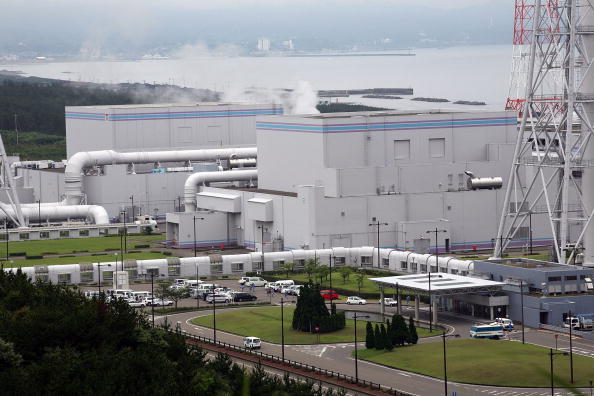
Tokyo Electric Power Company (TEPCO) announced on Friday (February 6) that it will restart the Kashiwazaki-Kariwa Nuclear Power Plant next week. This will be the first substantial restart of the plant since the Fukushima nuclear accident in 2011, and the first operating nuclear reactor under TEPCO.
The Kashiwazaki-Kariwa Nuclear Power Plant in Kashiwazaki, Niigata Prefecture, is the world’s largest nuclear power plant with a total capacity of approximately 8.2 gigawatts. The plant has seven reactors, but only one reactor will be restarted this time.
At a press conference, TEPCO’s head of the Kashiwazaki-Kariwa Nuclear Power Plant, Takeyuki Inagaki, announced that the Unit 6 reactor will be restarted next Monday (February 9) and is expected to enter commercial operation as early as March 18 after comprehensive inspections.
It was explained that TEPCO briefly started the reactor on January 21 but had to shut it down the next day due to an alarm from the monitoring system. An investigation revealed that the alarm was triggered by a system setting error, misidentifying a slight current variation within a cable as abnormal which was still within the safe range. The related alarm settings have been corrected, and the reactor’s safe operation has been confirmed.
The restart of the Kashiwazaki-Kariwa Plant is seen as a significant milestone in Japan’s energy policy of “returning to nuclear power.” Following the 2011 Fukushima nuclear accident caused by the Great East Japan Earthquake and tsunami, Japan had temporarily shut down all 54 nuclear reactors nationwide.
As energy import costs rise and the pressure to reduce carbon emissions intensifies, the Japanese government has clearly stated in recent years the policy to restore nuclear power to reduce reliance on fossil fuels and achieve carbon neutrality goals by 2050, while addressing the increasing electricity demand from emerging industries like artificial intelligence data centers.
According to official data from Japan, among the 54 reactors that were shut down after 2011, 14 have been brought back into operation. However, the Kashiwazaki-Kariwa Plant had not been able to restart earlier due to safety and local opposition.
Although the central government and local councils have paved the way for the restart, there is still significant division in the local community regarding the resumption of nuclear operations. A public opinion survey conducted by the Niigata Prefectural Government in September last year showed that around 60% of respondents opposed the restart of the Kashiwazaki-Kariwa Plant, while about 37% supported it.
In January this year, seven anti-nuclear groups submitted a petition with nearly 40,000 signatures to TEPCO and the Japanese Nuclear Regulation Authority, expressing concerns about the plant’s location near active fault lines and previous damage during a strong earthquake in 2007.
On the other hand, supporters of the restart argue that nuclear power helps stabilize electricity supply, reduce electricity prices, and create job opportunities. In December last year, the Niigata Prefectural Assembly passed a vote of confidence in Governor Hirohiko Izumida, effectively removing political obstacles to the operation of the nuclear power plant. Izumida emphasized after the vote that safety oversight has no endpoint, and the local government will continue to closely monitor the operation.
In addition, TEPCO is also responsible for the Fukushima Daiichi Nuclear Power Plant. Official plans indicate that the overall decommissioning and cleanup of the plant is expected to take 30 to 40 years, with a goal to be completed around 2050.