
In the classic Chinese medicine text “Huangdi Neijing,” it is stated that “when the qi and blood are plentiful, all diseases are avoided.” However, many modern lifestyle habits unknowingly deplete our qi and blood. As the seasons shift from autumn to winter, understanding proper health maintenance methods becomes crucial in regulating the balance of qi and blood.
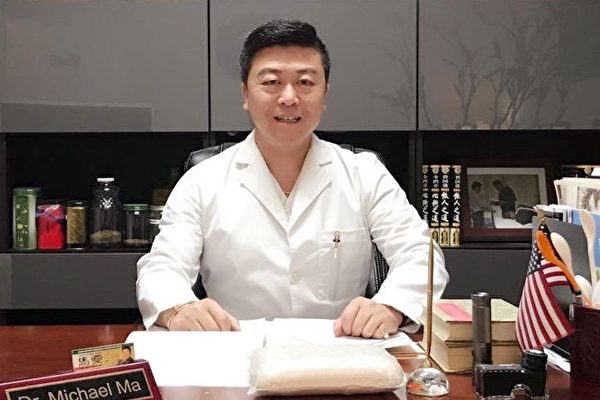
Recently, Dr. Ma Kui, a traditional Chinese medicine practitioner in California, encountered a male patient in his forties who appeared much older than his actual age. The patient complained of feeling like there was a stone on his back, constant fatigue, the urge to rest while working, forgetfulness, and feeling disoriented.
Upon examination, the patient exhibited a deep and thin pulse, a swollen tongue, pale palms, nail cracks, and purplish half-moon marks. Dr. Ma suspected the patient might be experiencing frequent episodes of spontaneous sweating, which the patient confirmed upon inquiry.
Dr. Ma diagnosed the patient with poor circulation of qi and blood; the swollen tongue indicated that the health of the heart and brain had been affected by insufficient qi and blood. Fortunately, the patient sought treatment in a timely manner, and acupuncture and Chinese herbal medicine were able to improve his condition. To save the patient costs, Dr. Ma prescribed a customized herbal formula to regulate the qi and blood. After over two months of treatment, significant improvements were observed in the patient’s symptoms.
Dr. Ma believes that many modern lifestyle choices can harm qi and blood, such as staying up late, excessive smartphone use, overthinking, and intense emotions, all of which can lead to qi and blood deficiencies. This is a prevalent issue affecting people of all ages in contemporary society.
According to his observations, qi and blood deficiencies manifest differently across different age groups: in children, it may present as poor digestion and a pale complexion; in adult women, symptoms include irregular menstruation, menstrual pain, yellowish complexion, cold extremities, dizziness, and tinnitus. Adult men may experience various qi and blood deficiency issues, such as pain in middle-aged individuals, blood stagnation in middle-aged men leading to a bluish complexion, and severe qi and blood stasis potentially resulting in strokes. The elderly may be at risk of developing conditions like Parkinson’s disease or dementia.
Some patients experiencing back or neck pain may mistakenly attribute it to overwork and believe that resting for a while will solve the issue. If the root cause is not identified and treated promptly, the condition may not improve.
Others may suffer from leg cramps, numbness in the feet while sleeping, and difficulty lifting their legs while walking. While modern medicine may attribute these symptoms to a calcium deficiency, Dr. Ma asserts that the ultimate cause is often insufficient qi and blood.
Dr. Ma emphasizes that while there are common methods for regulating qi and blood, treatment should be tailored to each patient’s constitution and symptoms based on a traditional Chinese medicine diagnosis.
In terms of physical activity, Dr. Ma recommends practicing Tai Chi, standing in horse stance, and other exercises for regulation. Particularly for sedentary workers, regular exercise can enhance blood circulation, prevent blockages in qi and blood flow.
Regarding daily routines, Dr. Ma stresses the importance of following the principles of “autumn harvest and winter storage,” advocating for adequate rest, avoiding staying up too late, and moderation in sexual activity.
In terms of diet, consuming nuts can benefit bone strength, visceral and digestive health. Walnuts, almonds, and other nuts aid in qi and blood nourishment; walnuts, in particular, support stomach and kidney health, intestinal lubrication, and beauty wellness.
Dr. Ma recommends two nourishing qi and blood tonics: Crucian Carp Soup and Angelica Lamb Soup. Crucian Carp Soup not only boasts a flavorful taste but also promotes blood circulation and tonifies deficiencies; adding red dates and astragalus as ingredients can further nourish the blood, soothe the spirit, and boost qi. Angelica Lamb Soup is known for its effects in tonifying deficiencies, dispelling cold, and nourishing the essence and blood.
However, it is essential to tailor qi and blood tonics to individual needs and circumstances. For instance, during menstruation or bouts of diarrhea, soups containing Angelica may not be suitable. Dr. Ma emphasizes the importance of seeking a knowledgeable practitioner who can provide personalized advice on dietary supplements in accordance with traditional Chinese medicine principles.
As winter approaches, Dr. Ma warns that the body’s yang energy weakens, advising against excessive consumption of cold foods and beverages. Instead, he recommends sun exposure to absorb more yang energy.
Discussing emotional well-being, Dr. Ma highlights the connection between emotions and organs: the liver governs emotions, and the spleen governs thoughts. Excessive worrying can harm the spleen’s function and nutrient absorption, while constant anger may lead to liver qi stagnation. However, being overly excited can also strain the heart.
“Excessive emotional fluctuations can lead to illness. It is essential to maintain emotional balance,” Dr. Ma concludes.